There’s nothing quite like the aroma of freshly baked bread filling your home. This Amish White Bread recipe is the key to that experience, delivering a loaf that’s incredibly soft, slightly sweet, and wonderfully fluffy. Forget store-bought bread; this simple, no-fail recipe is perfect for both seasoned bakers and complete beginners. It’s a versatile loaf that’s perfect for sandwiches, toast, or simply enjoyed warm with a pat of butter.
We’re diving deep into the secrets of creating the perfect loaf of Amish White Bread, a treasured recipe known for its rich flavor and tender crumb. You’ll find this recipe is straightforward and uses simple, everyday ingredients you probably already have in your pantry.
What Makes Amish White Bread Different?
Amish White Bread stands apart from other bread recipes due to its unique combination of ingredients and technique. Traditionally, it uses a higher concentration of sugar and fat (like butter or oil) than standard white bread. This enrichment is what gives the bread its signature soft, tender crumb and slightly sweet flavor profile. It’s a simple, rustic bread that doesn’t require complicated starters or techniques, making it a beloved staple in many households.
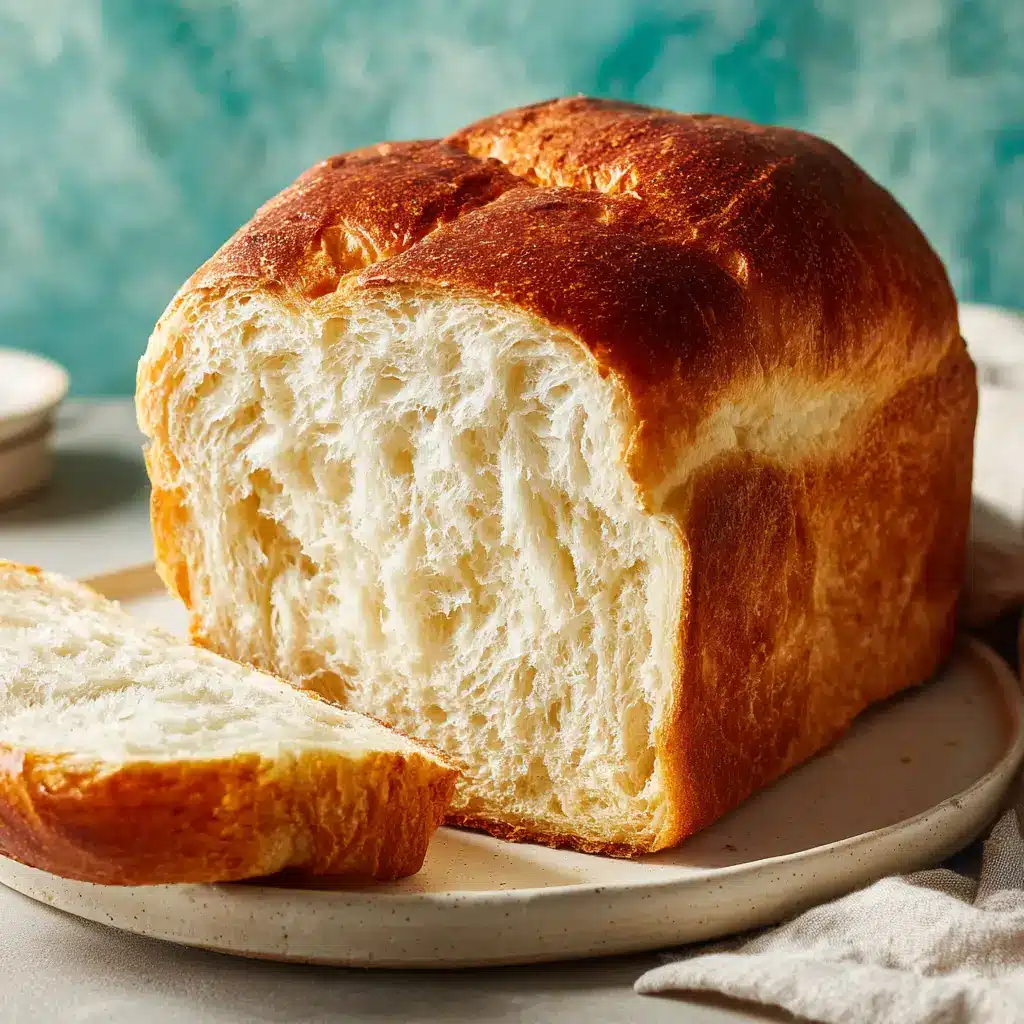
The texture is less about a chewy, open crumb found in artisan loaves and more about a tight, uniform softness that makes it ideal for slicing. It’s the kind of bread that evokes a sense of comfort and nostalgia, reminiscent of simpler times and wholesome, homemade goodness.
Key Ingredients for Perfect Amish White Bread
The magic of this recipe lies in its simplicity. Here’s what you’ll need and why each component is important:
- Warm Water & Active Dry Yeast: The water must be warm (around 110°F or 43°C) to properly activate the yeast, which is the leavening agent that makes the bread rise.
- Sugar: This recipe uses a fair amount of sugar not just for a hint of sweetness, but also to feed the yeast, helping it become more active and creating a faster rise.
- Melted Butter: Butter adds richness, flavor, and contributes to the wonderfully soft texture of the final loaf.
- Salt: Essential for flavor, salt also helps control the yeast’s activity, ensuring a steady, even rise.
- All-Purpose Flour: The structural foundation of the bread. All-purpose flour provides the perfect balance of protein to create a soft yet sturdy loaf.
While this bread is fantastic on its own, it’s the perfect companion for a hearty meal. Imagine sopping up the sauce from a delicious homemade beef stew or serving it alongside a comforting bowl of soup.
Step-by-Step Instructions for Making Amish White Bread
Follow these simple steps to create a flawless loaf of homemade bread. We’ll guide you through proofing the yeast, kneading the dough, and baking to golden perfection.
1. Proof the Yeast
In a large bowl or the bowl of a stand mixer, combine the warm water, active dry yeast, and a pinch of the sugar. Let it sit for 5-10 minutes until it becomes foamy and frothy. This “bloom” is proof that your yeast is alive and active.
2. Mix the Dough
Once the yeast is proofed, stir in the remaining sugar, melted butter, and salt. Gradually add the all-purpose flour, one cup at a time, mixing until a shaggy dough begins to form. If you love baking, you might also enjoy making some savory garlic cheese bombs as your next project!
3. Knead to Perfection
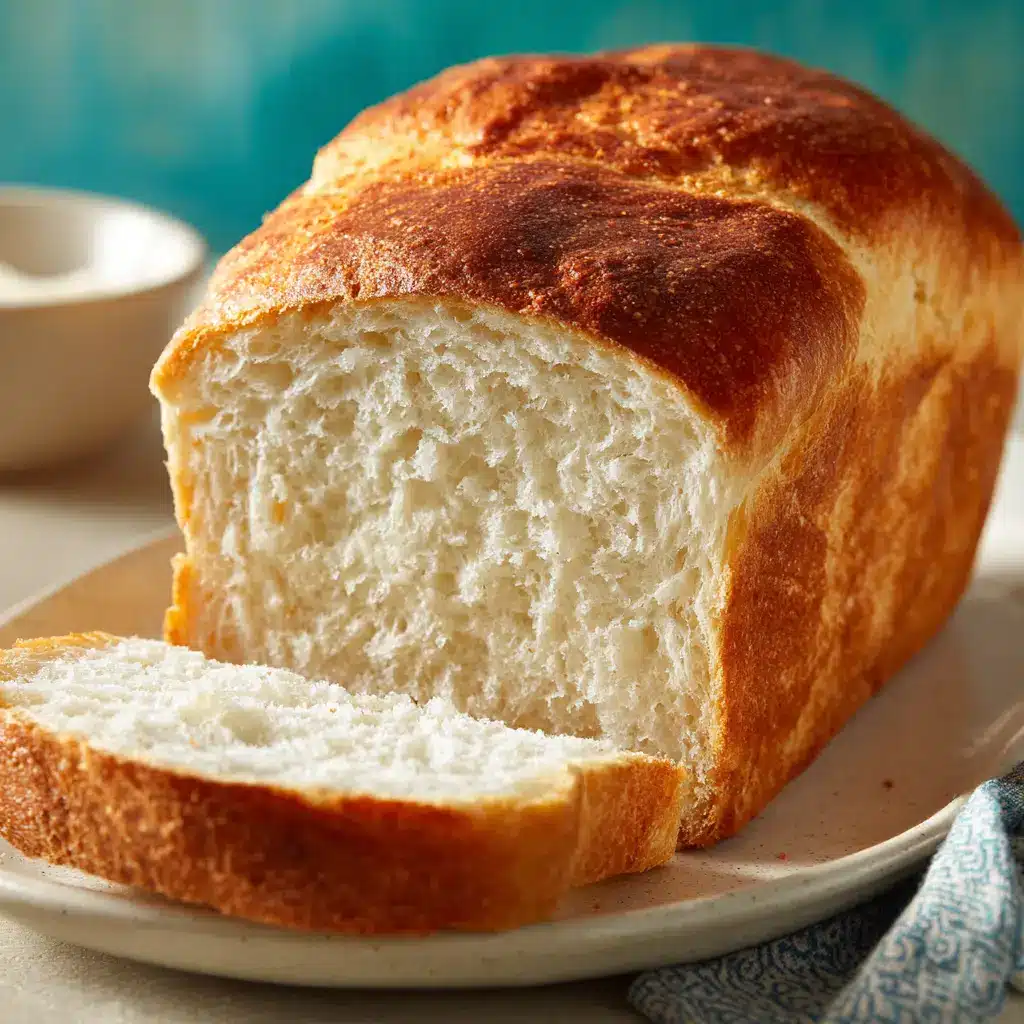
Turn the dough out onto a lightly floured surface and knead for about 8-10 minutes, or until it’s smooth and elastic. If using a stand mixer, use the dough hook attachment and knead on low-medium speed for 6-8 minutes. The dough should spring back when you press it lightly with your finger.
4. First Rise
Place the kneaded dough into a lightly oiled bowl, turning it once to coat the top. Cover the bowl with a clean cloth or plastic wrap and let it rise in a warm, draft-free place for about 60-90 minutes, or until it has doubled in size.
5. Shape and Second Rise
Gently punch down the risen dough to release the air. Transfer it to a lightly floured surface and shape it into a loaf. Place the loaf into a greased 9×5 inch loaf pan. Cover it again and let it rise for another 30-45 minutes, or until the dough has risen about 1 inch above the rim of the pan.
6. Bake the Bread
Preheat your oven to 350°F (175°C). Bake the loaf for 30-35 minutes, or until the crust is a deep golden brown and the internal temperature reaches 190°F (88°C). A good test is to tap the bottom of the loaf; it should sound hollow.
7. Cool and Enjoy
Let the bread cool in the pan for a few minutes before turning it out onto a wire rack to cool completely. Brushing the top with a little extra melted butter while it’s still warm will give it a beautiful shine and an even softer crust. This bread makes the ultimate base for creative sandwiches, like a chicken bacon ranch filling.
Pro Tips for the Best Homemade Bread
Want to elevate your Amish White Bread from great to absolutely spectacular? Here are a few expert tips:
- Don’t Kill the Yeast: Ensure your water isn’t too hot. If it’s too hot to comfortably touch, it will kill the yeast. Aim for lukewarm.
- Measure Flour Correctly: Spoon the flour into your measuring cup and then level it off. Scooping directly from the bag can pack the flour, leading to a dry, dense loaf.
- Knead Thoroughly: Proper kneading develops the gluten strands that give bread its structure. Don’t cut this step short! The dough should feel smooth and elastic.
- The Windowpane Test: To check if your dough is perfectly kneaded, take a small piece and gently stretch it. If you can stretch it thin enough to see light through it without it tearing, the gluten is well-developed.
Storing Your Homemade Amish White Bread
To keep your bread fresh, store it in a bread box or a sealed bag at room temperature for up to 3-4 days. Avoid refrigerating it, as this can cause the bread to become stale more quickly. For longer storage, you can slice the loaf and freeze it in a freezer-safe bag for up to 3 months. Simply toast a slice straight from the freezer whenever you need it!
Frequently Asked Questions about Amish White Bread
Yes, you can substitute the melted butter with a neutral-flavored oil (like canola or vegetable oil) or a dairy-free butter alternative in a 1:1 ratio to make this recipe dairy-free.
Absolutely! A stand mixer makes the process even easier. Use the dough hook attachment to knead the dough on low to medium speed for about 6-8 minutes, or until it becomes smooth and elastic.
The most reliable way is to use an instant-read thermometer. The internal temperature of the bread should be around 190°F (88°C). Alternatively, the crust should be a deep golden brown, and the loaf should sound hollow when you tap it on the bottom.
This recipe calls for active dry yeast, which requires proofing in warm water to activate it. You can also use instant yeast; if you do, you can skip the proofing step and mix it directly with the dry ingredients.
The most common reasons for bread not rising are expired or inactive yeast, or using water that was too hot, which kills the yeast. Also, ensure you let the dough rise in a warm, draft-free location.
The Best Amish White Bread Recipe
Amish White Bread: The Ultimate Foolproof Recipe
Ingredients
Equipment
Instructions
- In a large bowl, combine the warm water, active dry yeast, and a pinch of sugar. Let it sit for 5-10 minutes until it becomes foamy.
- Stir in the remaining sugar, melted butter, and salt. Gradually add the flour, mixing until a shaggy dough forms.
- Turn the dough onto a lightly floured surface and knead for 8-10 minutes until smooth and elastic. (Or 6-8 minutes with a stand mixer dough hook).
- Place the dough in a lightly oiled bowl, cover, and let it rise in a warm place for 60-90 minutes, or until doubled in size.
- Punch down the dough and shape it into a loaf. Place it in a greased 9x5 inch loaf pan, cover, and let it rise for another 30-45 minutes.
- Preheat oven to 350°F (175°C). Bake for 30-35 minutes, or until the crust is golden brown and the internal temperature reaches 190°F (88°C).
- Let the bread cool in the pan for a few minutes before turning it out onto a wire rack to cool completely before slicing.
Notes
Ensure your yeast is fresh and active for the best rise. The blooming step is crucial to confirm this.
Share Your Baking Success!
We are so excited for you to try this amazing Amish White Bread recipe! It’s a rewarding experience that yields delicious results every time. If you make it, we’d love to see your beautiful loaves. Share your creation on Pinterest and let us know how it turned out in the comments below!