The culinary world is currently obsessed with the Cottage Cheese Flatbread, and for good reason. This isn’t just another low-carb fad; it is a scientifically fascinating transformation of simple dairy into a thin, soft, and structurally sound bread alternative. Imagine a crust that boasts blistered brown edges and a porous, airy texture that rivals your favorite artisanal wraps.
When you pull this Cottage Cheese Flatbread out of the oven, the first thing you’ll notice is the visual contrast. The vibrant green of the dried parsley flakes and the sharp, dark specks of coarse black pepper pop against the golden-brown surface. Resting on a piece of crumpled white parchment paper, it looks exactly like the high-end, handheld smartphone photos that dominate aesthetic food feeds.
Whether you are looking for a protein-packed lunch or a sturdy base for a gourmet wrap, this recipe delivers. It’s a versatile canvas that manages to be both flexible enough to roll and crisp enough to hold heavy toppings. Let’s dive into the forensics of why this specific method produces the perfect golden-brown finish every single time.
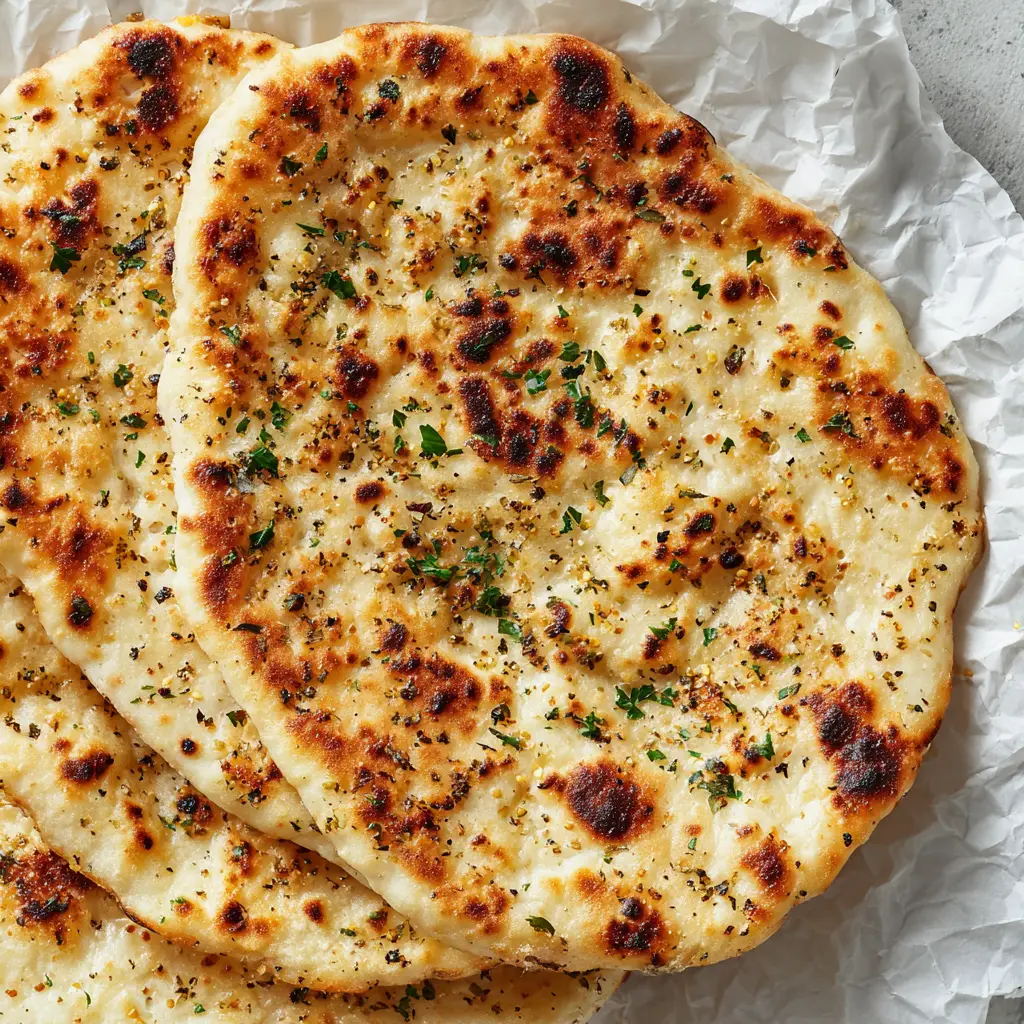
Why You Will Crave This Blistered Cottage Cheese Flatbread
- High Protein Structural Integrity: Unlike other grain-free breads, this flatbread uses the casein and whey proteins in cottage cheese to create a “crumb” that is surprisingly resilient.
- Sophisticated Flavor Profile: The combination of coarse black pepper and dried parsley flakes provides an earthy, peppery bite that cuts through the richness of the dairy.
- Perfect Textural Contrast: You get a soft, thin center with toasted brown spots and blistered edges that provide a satisfying “snap” when bitten.
- Visual Elegance: Baked on white parchment paper, the rustic, unedited look of this flatbread makes it a centerpiece for any healthy meal prep.
The Anatomy of Ingredients for a Porous Flatbread Texture
To achieve the visual result of a thin, soft, golden-brown baked cottage cheese flatbread, we need more than just cheese. Each ingredient serves a specific culinary purpose in the “Culinary Sandbox” of this recipe.
Full-Fat Cottage Cheese (1 cup / 225g): This is your primary building block. The fats are essential for achieving those blistered brown spots, while the moisture creates the steam necessary for a porous texture. If you’ve tried our cottage cheese cloud bread, you know how transformative this ingredient can be.
Large Eggs (2 units): The eggs act as the emulsifier and binder. As the eggs cook, they trap the steam escaping from the cottage cheese, creating the “smooth yet slightly porous” texture described in the visual blueprint.
Coarse Black Pepper (1 tsp / 2g): Unlike fine pepper, coarse black pepper provides visual “speckles” and a textural crunch that remains prominent even after baking at high temperatures.
Dried Parsley Flakes (1 tbsp / 1g): These add a hit of herbaceous color. We use dried rather than fresh parsley here because dried flakes withstand the high heat of the oven without turning black, maintaining that beautiful green speckle.
Garlic Powder (1/2 tsp / 1.5g): An “invisible” foundational ingredient. While it doesn’t change the look, it provides the savory depth required to make a cheese-based bread taste like real flatbread.
Essential Tools for Achieving Toasted Brown Edges
To replicate the “handheld smartphone photo” aesthetic, your equipment is just as important as your ingredients. You will need a high-powered blender or food processor to ensure the cottage cheese curds are completely pulverized into a smooth liquid.
A standard 13×18 inch (33x45cm) rimmed baking sheet is the ideal vessel. Most importantly, you must use high-quality white parchment paper. The parchment prevents sticking and reflects heat back into the bottom of the flatbread, aiding in the development of those toasted spots along the edges.
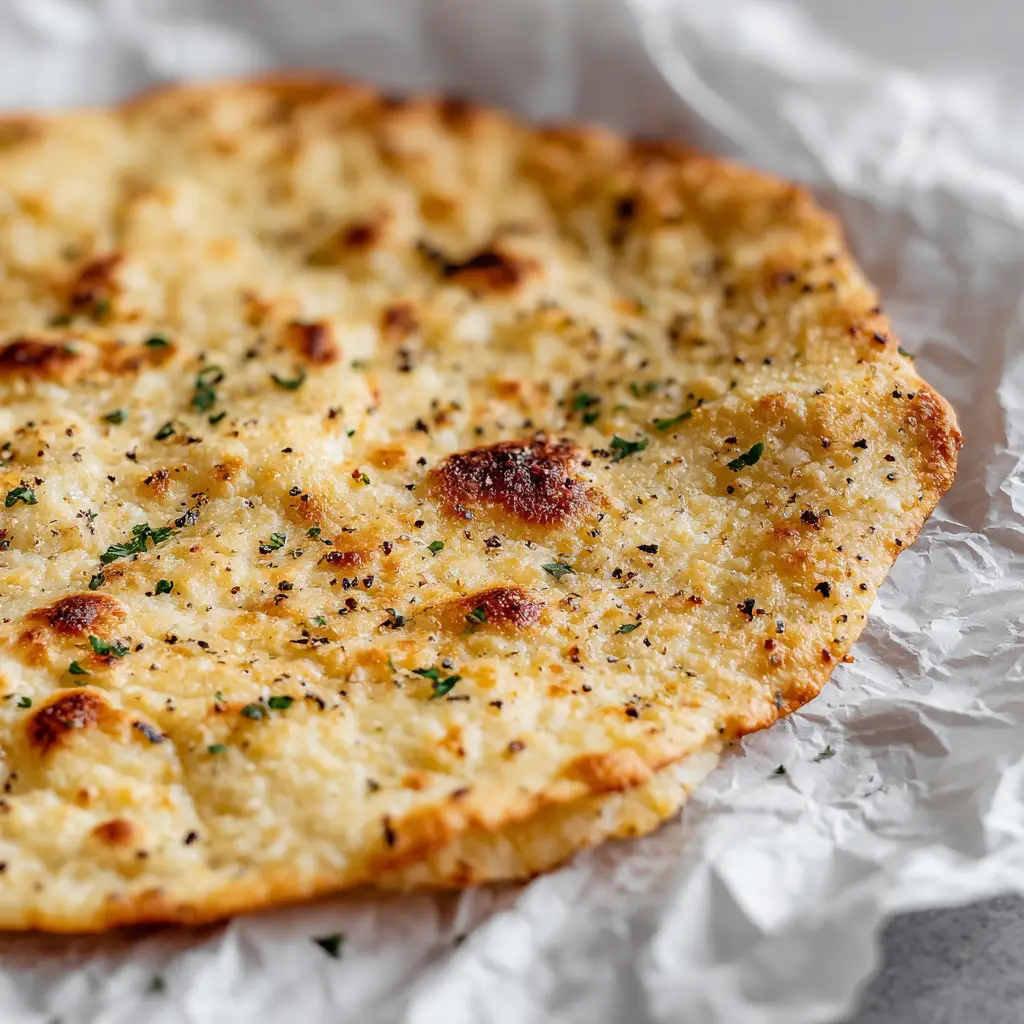
Step-By-Step Instructions for the Perfect Cottage Cheese Flatbread
Phase 1: Creating the Smooth Base
Start by preheating your oven to 400°F (200°C). In your blender, combine 1 cup (225g) of cottage cheese and 2 large eggs. Blend on high for 30-45 seconds until the mixture is completely smooth and contains no visible curds.
Add in the garlic powder and a pinch of salt. Pulse once or twice just to incorporate. You are looking for a consistency similar to a thick pancake batter—this ensures the flatbread remains thin and soft rather than thick and rubbery.
Phase 2: Spreading and Seasoning for Visual Impact
Line your baking sheet with a piece of crumpled white parchment paper; crumpling it slightly and then smoothing it out helps prevent the flatbread from sliding. Pour the batter into the center of the parchment.
Using an offset spatula, spread the batter into a thin rectangle or oval, approximately 1/4 inch (0.6cm) thick. Now, evenly sprinkle the coarse black pepper and dried parsley flakes across the entire surface. This ensures the “evenly speckled” look of the final baked flatbread.
Phase 3: The High-Heat Bake and Blistering
Slide the tray into the center rack of the oven. Bake for 25-30 minutes. Around the 20-minute mark, you will begin to see the “visual changes”—the edges will start to pull away from the parchment and turn a deep golden-brown.
For the final 5 minutes, keep a close eye on the oven. You want to see the “blistered, lightly toasted brown spots” forming on the surface. These spots are the result of the Maillard reaction, where the natural sugars and proteins in the dairy caramelize under the heat.
Expert Tips for Flatbread Success
- The Moisture Factor: If your cottage cheese is particularly watery, strain it through a fine-mesh sieve for 5 minutes before blending. This prevents the flatbread from becoming “soggy” in the middle.
- The Crumpled Parchment Trick: Crumpling the parchment paper as seen in the visual prompt isn’t just for looks; it creates tiny air pockets under the flatbread, which helps achieve that porous, airy texture.
- Wait for the Cool Down: Do not try to peel the flatbread off the parchment immediately. Let it sit for 5 minutes; as it cools, the steam dissipates, and the structure sets, making it easy to handle.
- Don’t Skimp on Pepper: Use a pepper grinder on the coarsest setting. The large cracks of pepper are vital for that “speckled” visual identity.
The Best Ways to Serve Your High-Protein Flatbread
This Cottage Cheese Flatbread is the perfect partner for various textures and flavors. For a fresh lunch, try wrapping it around an Italian grinder salad for a tangy, crunchy experience. The softness of the bread holds up beautifully to the acidic dressing.
If you’re in the mood for something warm, use it as a scoop for a hearty bowl of French onion soup. The toasted brown spots on the bread mimic the cheesy crouton traditionally found in the soup. You can even cut it into triangles and serve it alongside a creamy roasted garlic lemon pasta sauce for a high-protein dipping side.
Storage, Reheating, and Freezing Advice
This flatbread is best enjoyed fresh, but it stores remarkably well. Place leftovers in an airtight container with a piece of parchment paper between layers to prevent sticking. It will stay fresh in the refrigerator for up to 4 days.
To reheat and regain that “blistered” edge, avoid the microwave, which can make the bread rubbery. Instead, place it in a dry skillet over medium heat for 1-2 minutes per side, or pop it into an air fryer at 350°F (175°C) for 3 minutes.
You can also freeze this Cottage Cheese Flatbread! Wrap it tightly in plastic wrap and then foil. It will last for up to 2 months. Thaw at room temperature for an hour before reheating in a pan or oven.
Common Questions About Cottage Cheese Flatbread
Yes, but full-fat cottage cheese is recommended for the best flavor and more pronounced blistered brown spots, as the fat aids in the Maillard reaction (browning).
While it contains both, the garlic powder and coarse black pepper help mask the egginess, resulting in a savory, neutral flavor that mimics traditional flatbread.
To get crispier edges, bake on the lower rack of the oven for the last 5 minutes, or pop the finished flatbread into an air fryer for 2-3 minutes after it has cooled slightly.
Ensure you are using high-quality parchment paper (not wax paper) and let the flatbread cool for at least 5 minutes. The steam release during cooling helps it detach naturally.
Sogginess usually occurs if the cottage cheese has too much liquid or if the flatbread is too thick. Ensure you blend until smooth and spread the batter to a 1/4 inch thickness on parchment paper.
The Ultimate Cottage Cheese Flatbread Recipe
Cottage Cheese Flatbread: The Ultimate Golden-Brown High-Protein Crust
Ingredients
Equipment
Instructions
- Preheat your oven to 400°F (200°C) and line a baking sheet with crumpled white parchment paper.
- Combine cottage cheese, eggs, and garlic powder in a blender. Process until the mixture is silky smooth with no visible curds.
- Pour the batter onto the parchment and use a spatula to spread it into a thin 1/4 inch thick rectangle.
- Evenly sprinkle the coarse black pepper and dried parsley flakes over the wet batter.
- Bake for 25-30 minutes until the edges are blistered and the surface has golden-brown toasted spots.
Notes
Use dried parsley instead of fresh to prevent the herbs from burning in the high heat.

Closing & Call to Action
Transforming cottage cheese into a golden-brown, blistered flatbread is a game-changer for anyone looking to increase their protein intake without sacrificing flavor or texture. This recipe proves that healthy eating can be visually stunning and incredibly delicious. If you enjoyed this recipe, please leave a comment below and tell us how yours turned out! Don’t forget to follow us on Pinterest and share your photos of your porous, toasted flatbread creation with the community!