Get ready to bring the bold, vibrant flavors of Thai street food into your own kitchen. This Thai Drunken Noodles recipe, known as Pad Kee Mao, delivers that perfect combination of savory, spicy, and satisfying in every single bite. If you’ve ever craved a truly authentic noodle dish that you can make in under 30 minutes, this is the one for you. Forget takeout—this is so much better.
We’re covering everything you need to know to achieve restaurant-quality results at home, from getting the sauce just right to mastering the perfect noodle texture.
What Are Thai Drunken Noodles?
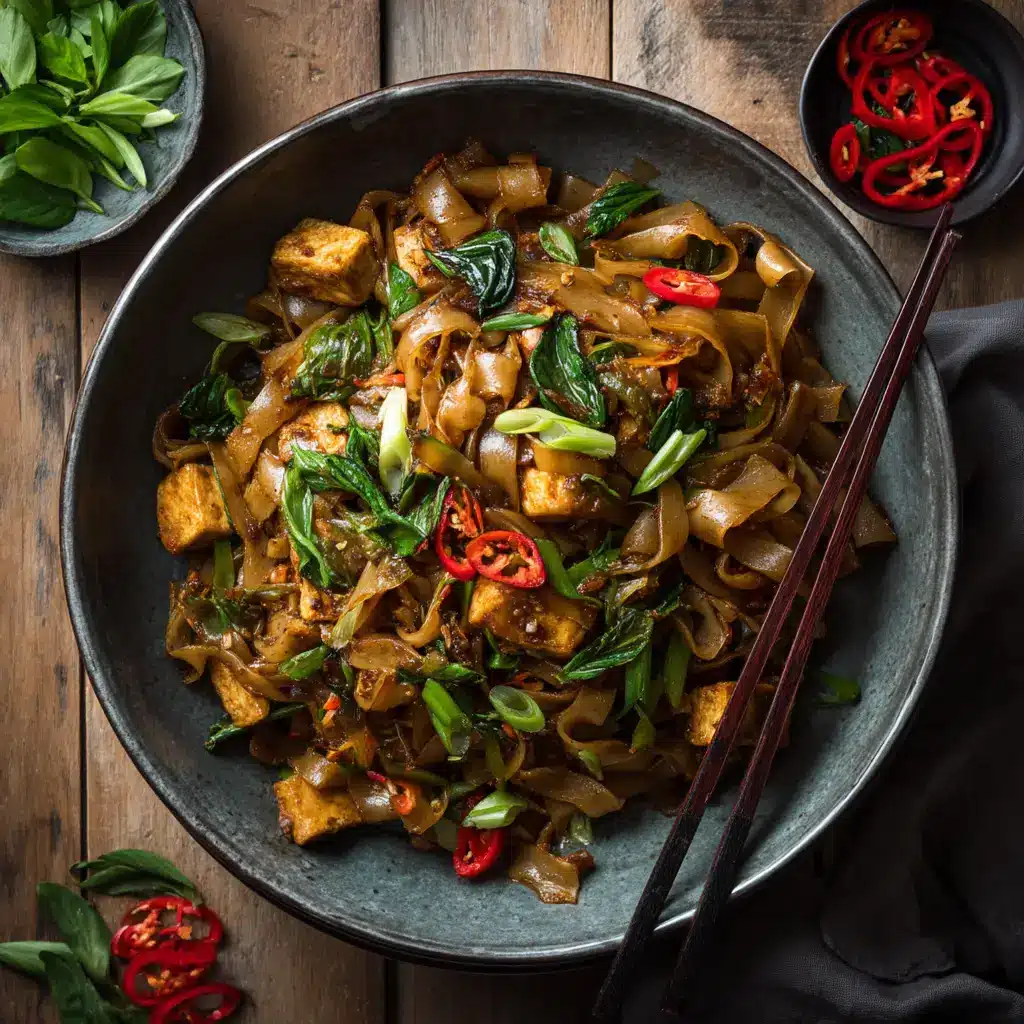
Thai Drunken Noodles, or Pad Kee Mao, is a classic stir-fried noodle dish. Its name is a bit of a mystery. Some stories say it was invented by someone who came home drunk and threw together whatever they had in the fridge. Others claim it’s the perfect, spicy meal to eat *after* a night of drinking to help sober up.
Whatever the origin, its defining features are wide rice noodles, a savory and spicy sauce, and a generous amount of holy basil, which gives it a unique, peppery aroma.
Why You’ll Love This Recipe
- Incredibly Flavorful: The sauce is the star—a perfect balance of salty, sweet, and spicy that clings to every noodle.
- Quick & Easy: This entire dish comes together in less than 30 minutes, making it perfect for a busy weeknight.
- Completely Customizable: Easily swap proteins, adjust the spice level, or add your favorite vegetables.
The Key to Authentic Flavor: Ingredients You’ll Need
The magic of authentic Thai Drunken Noodles lies in a few key ingredients. While some are common pantry staples, others might require a trip to an Asian market. Trust me, it’s worth the effort.
For the Noodles
The best choice is wide, flat, fresh rice noodles. If you can’t find them, dried rice noodles work wonderfully. Just be sure to soak them according to the package directions until they are pliable but not mushy.
For the Protein
This recipe uses chicken, but it’s incredibly versatile. Thinly sliced beef, pork, shrimp, or even firm tofu are all fantastic options. The key is to have it prepped and ready to go before you start stir-frying.
For the Signature Sauce
This is where the flavor lives. We’re creating a simple but potent mixture:
- Oyster Sauce: Provides a deep, savory, and slightly sweet base.
- Fish Sauce: Adds that essential salty, umami kick. Don’t skip it!
- Soy Sauce: For color and an extra layer of saltiness.
- Dark Soy Sauce: This is mainly for color, giving the noodles their signature dark-brown hue.
- A Touch of Sugar: Just enough to balance the salt and spice.
For the Vegetables & Aromatics
- Garlic and Thai Chilies: The foundation of the heat. Mince them together to create a fragrant, spicy paste. Adjust the number of chilies to your preferred heat level.
- Chinese Broccoli (Gai Lan): Its slightly bitter leaves and crunchy stems are traditional, but regular broccoli or broccolini can work in a pinch.
- Bell Pepper: Adds sweetness, color, and a pleasant crunch.
- Onion: Provides a sweet, aromatic base.
- Thai Holy Basil: This is the non-negotiable hero ingredient. It has a peppery, slightly spicy flavor that is completely different from Italian basil. It truly makes the dish.
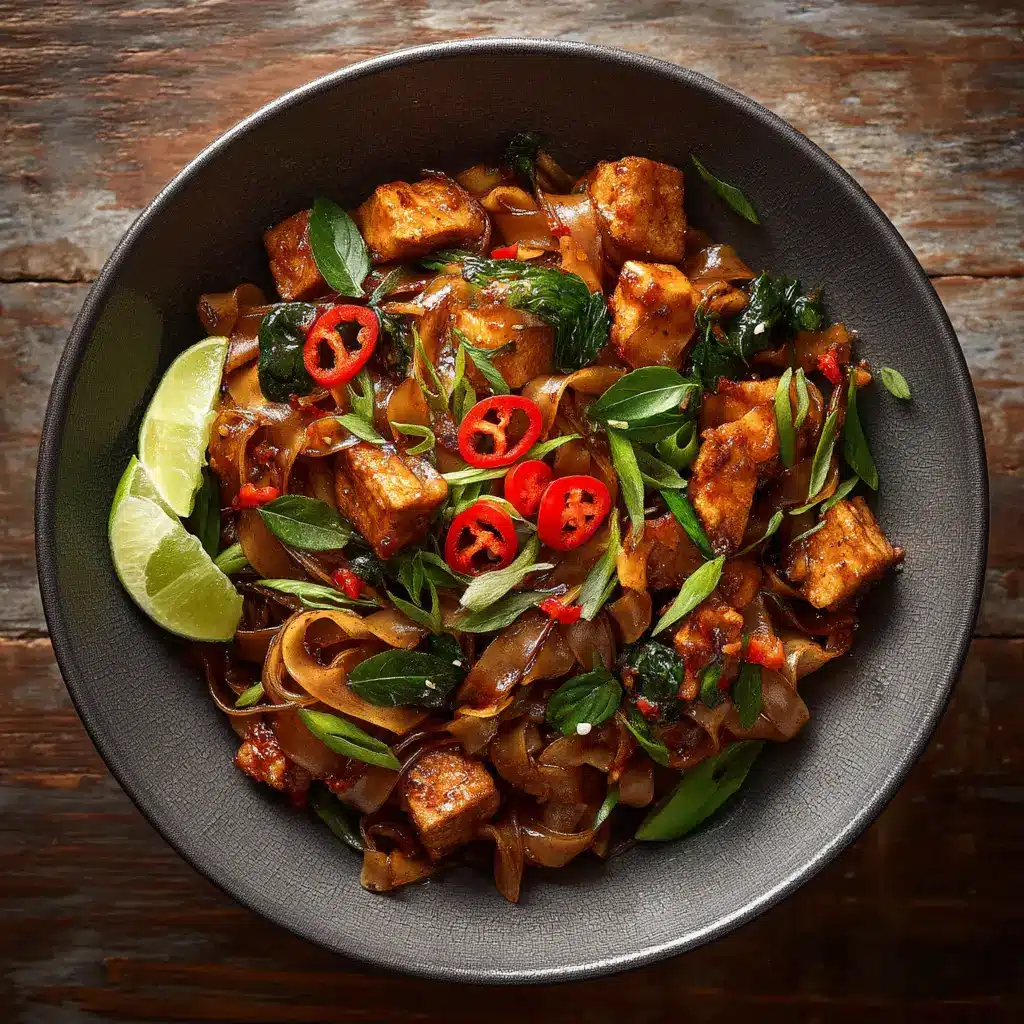
How to Make Thai Drunken Noodles: A Step-by-Step Guide
Stir-frying is all about high heat and speed. The most important step is to have every single ingredient prepped, measured, and within arm’s reach before you turn on the stove. This is called ‘mise en place’, and it’s the secret to a stress-free stir-fry.
- Prep Your Ingredients: Soak your noodles if using dried. Whisk together all sauce ingredients in a small bowl. Slice your chicken and vegetables. Mince your garlic and chilies.
- Sear the Protein: Heat your wok or a large skillet over high heat. Add oil, and once it’s shimmering, add the chicken. Cook until it’s golden and cooked through. Remove it from the wok and set aside.
- Sauté the Aromatics: Add a bit more oil to the wok. Add the minced garlic and chilies and stir-fry for about 30 seconds until fragrant. Be careful not to burn them.
- Cook the Vegetables: Add the onion, bell pepper, and Chinese broccoli stems. Stir-fry for 2-3 minutes until they are slightly tender but still have a bite.
- Combine and Sauce: Return the cooked chicken to the wok. Add the softened noodles and pour the sauce over everything. Gently toss to combine, trying not to break the noodles. Cook for 1-2 minutes, allowing the noodles to absorb the delicious sauce.
- Finish with Basil: Turn off the heat. Add the Chinese broccoli leaves and the Thai holy basil. Toss everything together until the basil has just wilted. The residual heat is enough to cook them perfectly. Serve immediately!
Pro-Tips for Restaurant-Quality Results
- Don’t Overcrowd the Pan: If you’re doubling the recipe, cook in two batches. Overcrowding lowers the temperature, causing the ingredients to steam instead of sear.
- High Heat is Key: A screaming hot wok or skillet is essential for getting that signature “wok hei” or smoky flavor and ensuring everything cooks quickly.
- Don’t Overcook the Noodles: Whether you’re soaking dried noodles or using fresh, they should be pliable but still firm. They will finish cooking in the wok.
Customizations and Variations
One of the best things about Thai Drunken Noodles is how adaptable it is. Here are a few ideas:
- Protein Swap: Try it with beef, shrimp, or crispy tofu. For a seafood version, check out this flavorful Honey Garlic Shrimp which could inspire your next meal.
- Veggie Boost: Add mushrooms, baby corn, or snap peas for extra texture and nutrition.
- Make it Gluten-Free: Ensure your soy sauce, oyster sauce, and fish sauce are certified gluten-free. Rice noodles are naturally gluten-free.
Storing and Reheating
Store leftovers in an airtight container in the refrigerator for up to 3 days. To reheat, it’s best to use a skillet over medium heat with a splash of water to help loosen the noodles. Microwaving can make the noodles gummy.
More Recipes to Try
If you love bold, international flavors, you’re in the right place. For another Asian-inspired dish, try our vibrant Asian Cabbage Salad. Or, for a different take on a comforting classic, our Butter Chicken Recipe is a must-try.
Frequently Asked Questions
Absolutely. The spiciness comes from the Thai chilies. Simply reduce the number of chilies you add, or omit them entirely for a mild but still flavorful dish. You can start with one chili and add more to suit your taste.
Thai holy basil is key to the authentic flavor. If you absolutely cannot find it, regular Thai basil is the closest substitute. Do not use Italian basil, as its sweet, anise-like flavor will significantly change the taste of the dish.
The main difference is the flavor profile. Drunken Noodles (Pad Kee Mao) are spicy and savory, characterized by the flavor of chili and holy basil. Pad See Ew is savory and slightly sweet, with a prominent flavor from Chinese broccoli and dark, sweet soy sauce, and contains no chili.
The best and most traditional noodles are wide, flat, fresh rice noodles. You can usually find them in the refrigerated section of an Asian market. If you can’t find fresh ones, wide, dried rice noodle sticks are the next best option.
There are two popular theories! One is that the dish is so spicy you need a cold beer to wash it down. The other is that it was invented by someone who came home intoxicated and cooked with whatever ingredients they had on hand.
Thai Drunken Noodles Recipe
Thai Drunken Noodles (Pad Kee Mao)
Ingredients
Equipment
Instructions
- If using dried noodles, soak them in warm water until pliable, then drain. In a small bowl, whisk together the oyster sauce, fish sauce, soy sauce, dark soy sauce, and sugar. Set aside.
- Heat 1 tbsp of oil in a wok or large skillet over high heat until shimmering. Add the sliced chicken and cook until golden brown and cooked through. Remove from the wok and set aside.
- Add another tablespoon of oil to the wok. Add the minced garlic and Thai chilies and stir-fry for 30 seconds until fragrant.
- Add the sliced onion, bell pepper, and the stems of the Chinese broccoli. Stir-fry for 2-3 minutes until crisp-tender.
- Return the chicken to the wok. Add the drained noodles and pour the prepared sauce over everything. Toss gently for 1-2 minutes until the noodles are heated through and have absorbed the sauce.
- Turn off the heat. Add the Chinese broccoli leaves and the packed Thai basil leaves. Toss until the basil is just wilted. Serve immediately.
Notes
Adjusting Spice: The heat comes from the Thai chilies. Use fewer for a milder dish or more if you love the heat.
Finding Thai Basil: Don't substitute with Italian basil. Look for Thai holy basil (or regular Thai basil as a close second) at Asian grocery stores for that authentic peppery flavor.
Did You Make This Recipe?
We’d love to hear how your Thai Drunken Noodles turned out! Leave a comment below and share your creation with us on Pinterest. Your feedback helps us and inspires other home cooks!