If you have been searching for a way to transform a simple tub of curds into a soft, chewy, and protein-packed staple, this Cottage Cheese Flatbread is the answer. This isn’t just another viral trend; it is a legitimate culinary revelation that bridges the gap between a classic naan and a high-protein wrap.
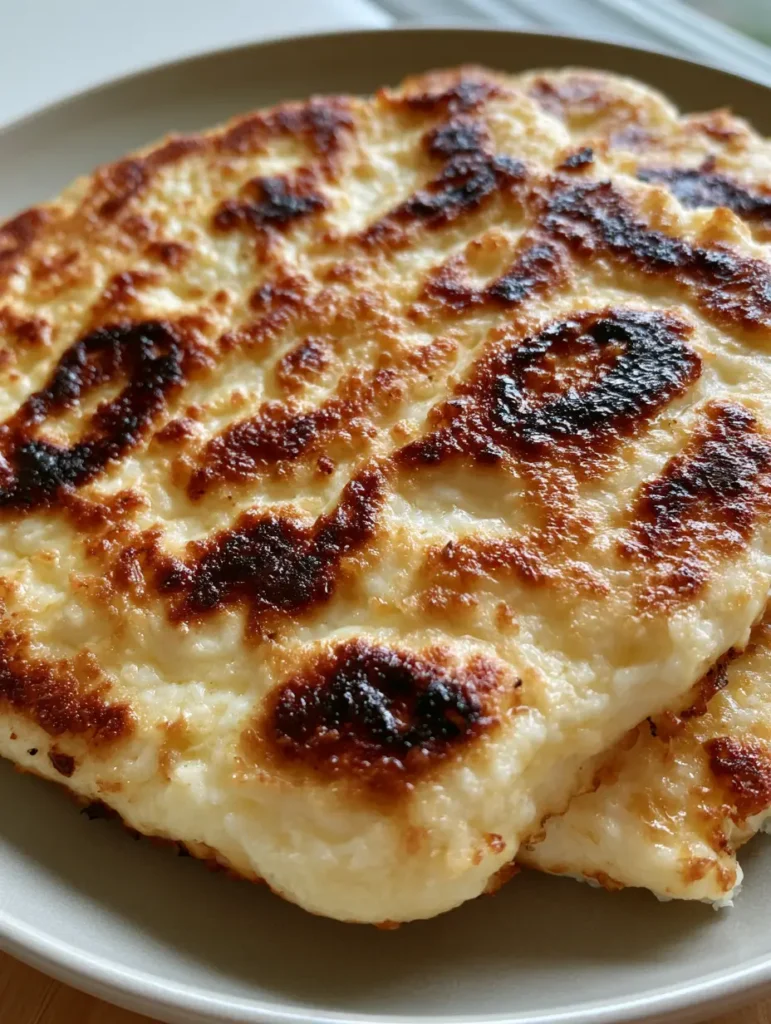
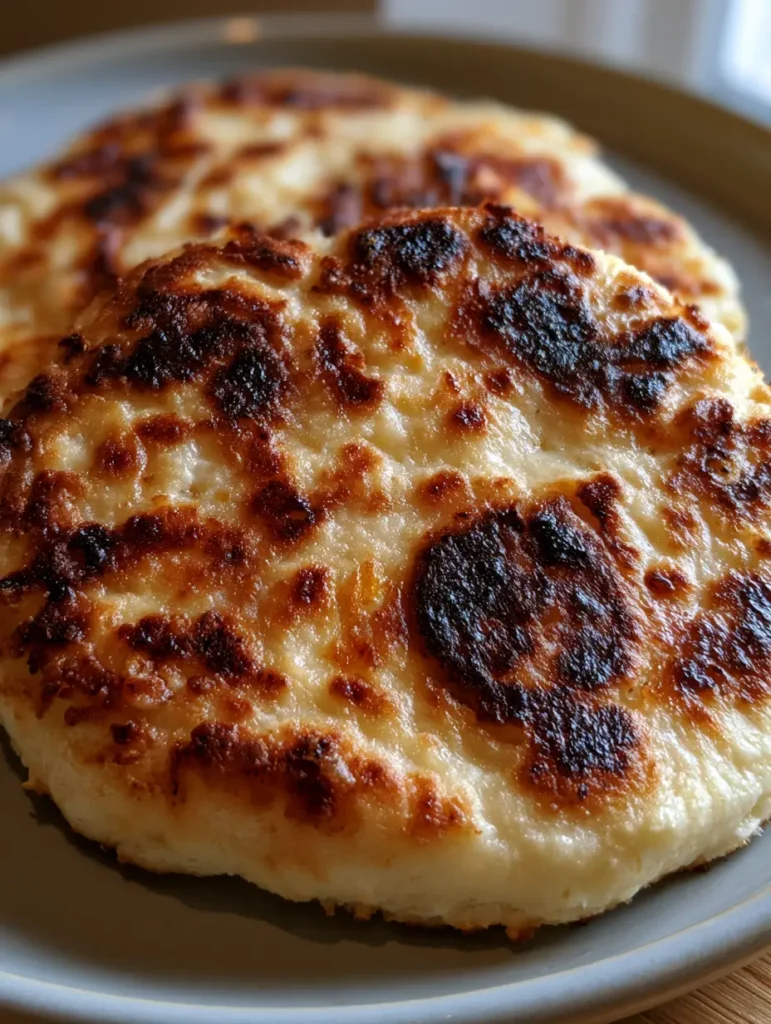
The beauty of the Cottage Cheese Flatbread lies in its rustic simplicity. With a matte, floury surface and distinct golden-brown charred spots, it looks as good as it tastes. You don’t need a tandoor oven or years of bread-making experience to achieve that professional, pan-seared finish right in your own kitchen.
Imagine a handheld bread that is thick enough to hold its shape but soft enough to fold around your favorite fillings. Whether you are dipping it into a warm bowl of honey pepper chicken mac and cheese or using it as a base for a savory breakfast, this recipe is designed to become a weekly staple in your meal prep rotation.
The Science Behind the Soft and Chewy Texture
What makes this Cottage Cheese Flatbread stand out from traditional yeast-based breads is the biological makeup of the cottage cheese itself. The whey proteins and caseins provide a structural moisture that keeps the bread tender even after it hits the high heat of a dry skillet.
When combined with all-purpose flour, the cottage cheese acts as both the hydrating liquid and the fat source. This results in a dough that is incredibly forgiving and requires very little kneading to develop a satisfying, elastic “pull.”
The “puffed” appearance mentioned in our visual blueprint comes from a touch of leavening. This creates small air pockets within the thick dough, ensuring that every bite is light rather than dense and gummy. It is the perfect companion for a side of chili bacon cream cheese spread (coming soon).
Why You Will Crave This Protein-Packed Bread
- Rustic Visual Appeal: Features beautiful, irregular edges and a matte, floury finish that looks straight out of an artisan bakery.
- Perfect Pan-Sear: Achieves those iconic dark charred circular spots that provide a smoky depth of flavor to the mild dough.
- Handheld Versatility: Sturdy enough to be handled like a smartphone photo—rugged, realistic, and ready to eat.
- High-Protein Profile: Utilizing cottage cheese as the primary base significantly boosts the protein content compared to standard flour-and-water flatbreads.
- Quick Turnaround: No rising time required, meaning you can go from a bowl of flour to a hot flatbread in under 20 minutes.
The Short List of Essential Ingredients
Full-Fat Cottage Cheese: 1 cup (225g). Using a higher fat content ensures the flatbread remains soft; the fats lubricate the flour particles for a better mouthfeel.
All-Purpose Flour: 1.5 cups (190g), plus extra for dusting. This provides the necessary gluten structure to create the “chewy” texture seen in the rustic, irregular edges of the final product.
Baking Powder: 1 tsp (5g). This is the “invisible” powerhouse that creates the slightly puffed aesthetic, preventing the bread from becoming a hard cracker.
Fine Sea Salt: 1/2 tsp (3g). Essential for flavor development; without it, the cottage cheese base can taste overly lactic and flat.
Extra Flour for Work Surface: 1/4 cup (30g). This is the secret to achieving that “matte, floury surface” described in the visual prompt, giving it a professional, unedited aesthetic.
Tools for Achieving the Perfect Rustic Flatbread
To get those distinct charred spots, a heavy-bottomed skillet is non-negotiable. A cast-iron pan is the preferred choice because it retains heat evenly, allowing the dough to sear quickly without drying out the interior.
You will also need a high-speed blender or food processor to smooth out the cottage cheese curds. While some prefer a chunky texture, a smooth puree ensures the dough is uniform and the final flatbread has that “thick, soft” appearance.
Finally, a rolling pin and a well-floured work surface are necessary to shape the dough into its “rustic circular shape.” Don’t worry about making them perfect; the irregular edges are what give this bread its handheld, realistic charm.
How to Master the Pan-Seared Cottage Cheese Flatbread
Preparing the High-Protein Dough
Start by blending your cottage cheese until it is completely smooth and resembles a thick cream. In a large mixing bowl, whisk together the flour, baking powder, and salt until well combined.
Pour the pureed cottage cheese into the dry ingredients. Use a sturdy spatula to fold the mixture together until a shaggy dough forms, then transition to using your hands to gently knead the dough for 1-2 minutes.
Shaping for the Rustic Aesthetic
Divide the dough into 4 equal portions. On a generously floured surface, roll each portion into a circle roughly 1/4 inch (6mm) thick, keeping the edges slightly irregular for that artisan look.
Ensure the surface of the dough remains coated in a thin layer of flour. This ensures that when the bread hits the pan, it maintains that matte finish rather than becoming shiny or greasy.
Executing the Perfect Pan-Sear
Heat your skillet over medium-high heat until a drop of water sizzles and evaporates instantly. Do not add oil to the pan; a dry sear is what creates the “dark charred circular spots” seen in our visual blueprint.
Lay the flatbread into the hot skillet. Cook for 2-3 minutes on the first side—you will see the dough begin to puff slightly and small bubbles form on the surface.
The Final Visual Cues
Flip the flatbread using tongs or a spatula. The bottom should now feature beautiful golden-brown patches. Sear the second side for another 2 minutes until the bread is cooked through but remains soft and pliable.
Keep the finished flatbreads wrapped in a clean kitchen towel while you cook the remaining dough. This traps the steam, ensuring the “soft chewy texture” is locked in before serving.
Expert Tips for Flatbread Success
- Watch the Heat: If your flatbread is charring too quickly but the middle feels gummy, drop the heat to medium. The goal is a “matte, floury surface” with controlled spots.
- Blot the Cheese: If your cottage cheese is particularly watery, strain it through a fine-mesh sieve for 5 minutes before blending to prevent a sticky dough.
- Flour is Your Friend: To achieve the “rustic, irregular edges,” don’t over-handle the dough; let the rolling pin do the work and use plenty of dusting flour.
- The Steam Hack: Always stack your flatbreads. The residual heat softens the crust, making them much more “handheld” and foldable.
How to Store and Reheat Your Flatbreads
These flatbreads are best enjoyed fresh off the skillet, but they do store remarkably well. Place cooled flatbreads in an airtight container or a zip-top bag with a piece of parchment paper between them to prevent sticking.
In the refrigerator, they will stay fresh for up to 4 days. To reheat, simply pop them back into a dry skillet for 30 seconds per side, or microwave them covered with a damp paper towel for 15 seconds to restore the “thick, soft” texture.
For long-term storage, you can freeze these for up to 3 months. Thaw at room temperature before reheating in a skillet to bring back those “golden charred spots.”
What to Serve with Cottage Cheese Flatbread
This bread is a versatile workhorse in the kitchen. For a high-protein lunch, serve it alongside a bowl of egg roll in a bowl to scoop up every last bit of savory filling.
If you are looking for a comforting dinner, these flatbreads are the perfect vessel for dipping into a rich cheese sauce or served as a side to a hearty chicken and broccoli alfredo bake.
For a sweet twist, you can even brush them with a little butter and honey to enjoy alongside banana cinnamon cupcakes during a brunch spread. The mild flavor of the cottage cheese pairs beautifully with both savory and sweet profiles.
Frequently Asked Questions
Yes, but the texture will be different. If you don’t blend the cottage cheese, you will have visible curds in your dough. It will still taste great, but for the ‘soft, thick’ aesthetic shown in our photos, pureeing is recommended.
Not at all! Once baked or seared, the cottage cheese provides a mild, slightly tangy flavor similar to sourdough or Greek yogurt bread, but the primary taste is that of a fresh, floury flatbread.
This specific recipe uses all-purpose flour for that chewy texture. You can substitute with a 1:1 gluten-free flour blend, though the elasticity and ‘puffed’ texture may vary slightly.
A dry skillet is the secret to achieving those distinct dark charred spots and the matte, floury surface. Oil would fry the bread, making it crispy and greasy rather than soft and rustic.
Sticky dough is usually caused by excess moisture in the cottage cheese. Try adding an extra tablespoon of flour at a time, or strain your cottage cheese before blending to remove excess whey.
The Ultimate Cottage Cheese Flatbread Recipe
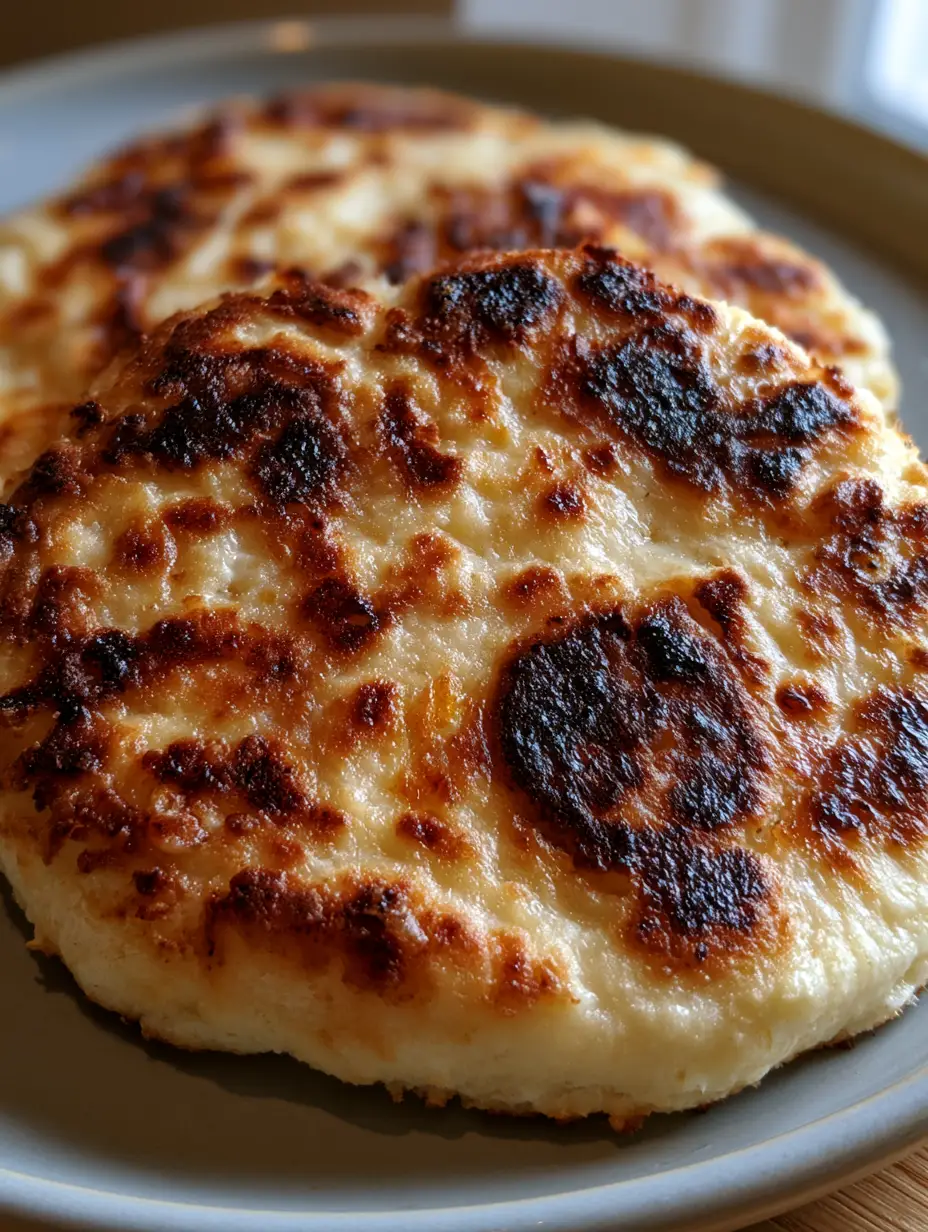
Cottage Cheese Flatbread: The Ultimate High-Protein Skillet Bread
Ingredients
Equipment
Instructions
- Puree the cottage cheese in a blender or food processor until perfectly smooth and creamy.
- In a large bowl, whisk together the flour, baking powder, and salt.
- Add the blended cheese to the flour and mix until a dough forms. Knead for 1 minute on a floured surface.
- Divide dough into 4 balls. Roll each out on a floured surface to 1/4 inch thickness, keeping edges rustic.
- Heat a skillet over medium-high heat. Place dough in the dry pan and cook until puffed with dark charred spots (2-3 mins).
- Flip and cook for another 2 minutes until golden and cooked through.
Notes
Stack the hot flatbreads in a towel to keep them soft and chewy.

Join the DaisyMeals Community!
This Cottage Cheese Flatbread is a testament to how simple ingredients can create extraordinary results. If you enjoyed this recipe, please leave a comment below and let us know how your charred spots turned out!
Don’t forget to follow DaisyMeals on Pinterest for more high-protein recipes and rustic cooking inspiration. Share your creations by tagging us—we love seeing your “handheld” masterpieces!