Welcome to the only Homemade Alfredo Sauce recipe you’ll ever need. Forget the jarred stuff forever—this guide will teach you how to create a rich, creamy, and deeply flavorful sauce in just 15 minutes. This sauce is velvety, luxurious, and unbelievably easy to make from scratch. It’s the perfect coating for your favorite pasta and a guaranteed family favorite.
We’re breaking down everything you need to know, from selecting the right ingredients to avoiding common pitfalls. Get ready to elevate your dinner game with a truly restaurant-quality sauce made in your own kitchen.
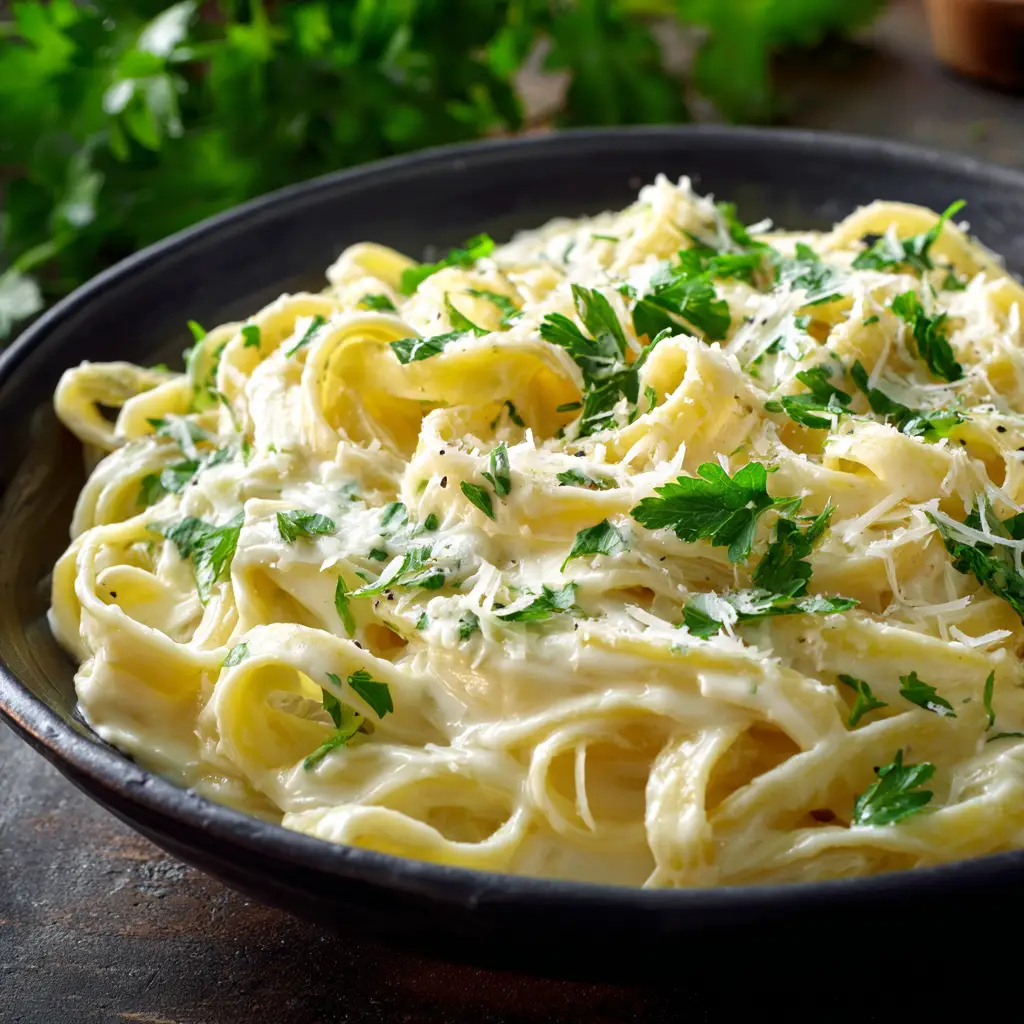
Why You’ll Love This Homemade Alfredo Sauce Recipe
- Incredibly Fast: From start to finish, this sauce is ready in about 15 minutes, making it perfect for a busy weeknight.
- Simple Ingredients: You only need a handful of basic ingredients—butter, cream, garlic, and Parmesan—to create something spectacular.
- So Much Better Than Store-Bought: The flavor and texture are on another level. It’s fresh, creamy, and free from any preservatives or artificial flavors.
- Versatile and Customizable: This classic recipe is the perfect base. You can easily customize it with herbs, spices, or different cheeses to make it your own.
The Key to Authentic Alfredo Sauce: Ingredients
The magic of this sauce lies in its simplicity. Using high-quality ingredients is non-negotiable for achieving that signature velvety texture and rich flavor. Here’s what you’ll need.
Ingredient Breakdown
- Unsalted Butter: This forms the rich base of our sauce. Using unsalted butter allows you to control the final seasoning perfectly.
- Heavy Whipping Cream: This is the key to a luscious, creamy sauce. Do not substitute with milk or half-and-half, as the sauce will not thicken properly.
- Fresh Garlic: A couple of finely minced garlic cloves add a layer of aromatic flavor that complements the cheese and cream beautifully.
- Parmigiano-Reggiano Cheese: This is the star of the show. For the smoothest, most flavorful sauce, use a block of high-quality Parmigiano-Reggiano and grate it yourself. Pre-shredded cheeses often contain anti-caking agents that can make your sauce grainy.
- Salt and Black Pepper: Freshly ground black pepper adds a touch of spice, while salt enhances all the other flavors.
How to Make Homemade Alfredo Sauce Step-by-Step
Making this creamy sauce is easier than you think. Follow these simple steps for foolproof results every time.
- Melt the Butter: Start by melting the butter in a large saucepan or skillet over medium heat.
- Sauté the Garlic: Add the minced garlic and cook for about 30-60 seconds, until it becomes fragrant. Be careful not to let it brown, as it can become bitter.
- Add the Cream: Slowly whisk in the heavy cream. Bring the mixture to a gentle simmer, stirring occasionally, and let it cook for 3-4 minutes to allow it to thicken slightly.
- Stir in the Cheese: Reduce the heat to low and gradually whisk in the freshly grated Parmesan cheese. Continue whisking until the cheese is completely melted and the sauce is smooth. It’s crucial to do this over low heat to prevent the sauce from breaking or becoming grainy.
- Season and Serve: Season with salt and freshly ground black pepper to taste. If the sauce is too thick, you can add a splash of the pasta water to thin it to your desired consistency. Serve immediately.
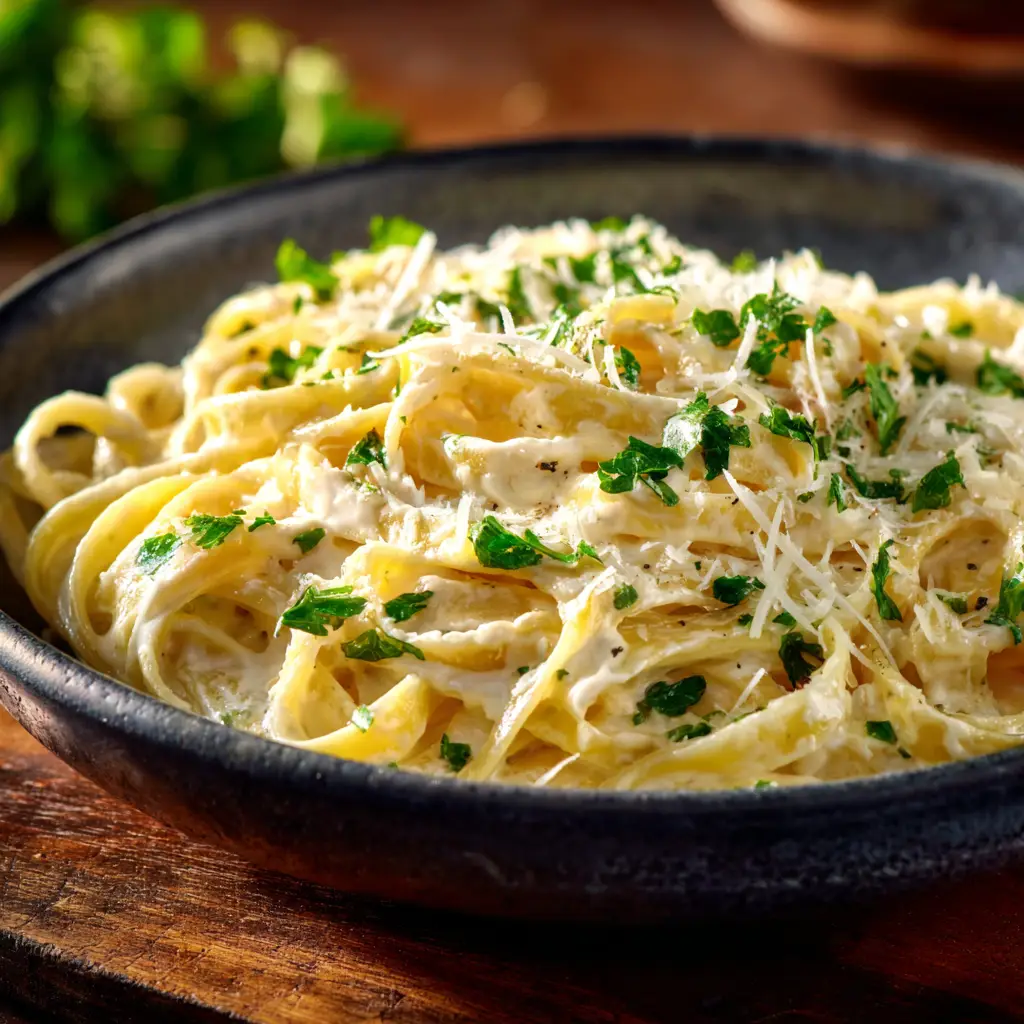
Expert Tips for the Best Alfredo Sauce
Want to ensure your Homemade Alfredo Sauce is perfect every single time? Keep these essential tips in mind.
- Grate Your Own Cheese: I can’t stress this enough! Pre-shredded cheese contains starches that prevent melting and result in a gritty texture. A block of good Parmesan is your best friend here.
- Don’t Overheat the Sauce: Once you add the cheese, the heat must be low. High heat can cause the dairy to separate, leaving you with a greasy, broken sauce.
- Use Fresh Garlic: While garlic powder can work in a pinch, freshly minced garlic provides a much more robust and authentic flavor.
- Serve Immediately: Alfredo sauce is at its best when it’s fresh and hot. It thickens considerably as it cools.
Variations and Add-Ins
While this classic recipe is fantastic on its own, it’s also a wonderful canvas for creativity. Here are a few ideas to get you started:
- Cajun Alfredo: Add a teaspoon of Cajun seasoning for a spicy kick. This is delicious with chicken or shrimp. For a full meal, try this Cajun Chicken Alfredo Orzo recipe.
- Garlic Herb Alfredo: Stir in a tablespoon of fresh chopped parsley or basil at the end for a fresh, vibrant flavor.
- Spicy Alfredo: A pinch of red pepper flakes will add a gentle warmth to the sauce.
- Mushroom Alfredo: Sauté sliced mushrooms in the butter before you add the garlic for an earthy, savory twist.
What to Serve with Alfredo Sauce
This sauce is incredibly versatile and pairs well with a wide range of dishes. Of course, it’s famously served with fettuccine, but don’t stop there! It’s fantastic with other pastas like penne or rotini. It also makes a wonderful sauce for proteins. Drizzle it over grilled chicken, serve it with pan-seared scallops, or make a decadent Shrimp Alfredo.
Storage and Reheating Instructions
Alfredo sauce is best enjoyed fresh, as the texture can change upon reheating. However, if you have leftovers, here’s how to handle them:
- To Store: Let the sauce cool completely, then transfer it to an airtight container. It can be stored in the refrigerator for up to 3-4 days.
- To Reheat: The best way to reheat Alfredo sauce is gently in a saucepan over low heat. Add a splash of milk or cream and whisk continuously until it’s smooth and warmed through. Avoid microwaving, as it can cause the sauce to separate.
Frequently Asked Questions
For an authentic, rich Alfredo, heavy cream is essential. Substituting with milk or half-and-half will result in a much thinner sauce that won’t cling to pasta properly. For a creamy alternative, some recipes use a roux (butter and flour) or cream cheese as a base, but this will alter the classic flavor and texture.
The best way to thicken Alfredo sauce is to let it simmer gently on the stove for a few more minutes, which allows the cream to reduce. You can also add more grated Parmesan cheese. If needed, a small cornstarch slurry (1 tsp cornstarch mixed with 1 tbsp cold water) can be whisked in, but this should be a last resort to maintain the best flavor.
Store leftover sauce in an airtight container in the refrigerator for up to 4 days. Reheat it gently in a saucepan over low heat. Add a splash of cream or milk and whisk constantly until it is smooth and warmed through. Avoid the microwave, as it can cause the sauce to separate.
For the most authentic and delicious flavor, always use high-quality Parmigiano-Reggiano. It’s a hard, aged cheese with a nutty, savory flavor that is the signature taste of a true Alfredo. Pecorino Romano can also be used for a saltier, tangier flavor.
A grainy sauce is almost always caused by one of two things: using pre-shredded cheese or overheating the sauce. Pre-shredded cheeses have anti-caking agents that prevent smooth melting. Always use freshly grated, high-quality Parmesan and add it to the sauce over very low heat.
The Ultimate Homemade Alfredo Sauce Awaits
You are now equipped with the best recipe and all the pro tips for making a truly unforgettable Homemade Alfredo Sauce. This simple, elegant sauce is a game-changer for pasta nights and will have everyone asking for your secret. We know you’ll love it!
Did you make this recipe? We’d love to see it! Share your creation on Pinterest and let us know how it turned out in the comments below.

Homemade Alfredo Sauce
Homemade Alfredo Sauce: The Ultimate Guide to Creamy Perfection
Ingredients
Equipment
Instructions
- Melt the butter in a large saucepan or skillet over medium heat.
- Add the minced garlic and cook for about 30-60 seconds, until fragrant. Do not allow it to brown.
- Slowly whisk in the heavy cream. Bring the mixture to a gentle simmer and cook for 3-4 minutes, allowing it to thicken slightly.
- Reduce the heat to low. Gradually whisk in the freshly grated Parmesan cheese until it is completely melted and the sauce is smooth. Do this over low heat to prevent the sauce from breaking.
- Season with salt and freshly ground black pepper to taste. Serve immediately.
Notes
Low Heat is Key: Once the cheese is added, keep the heat low to prevent the sauce from separating.
Reheating: Reheat gently on the stovetop with a splash of cream or milk, whisking constantly.