There is a specific, soul-satisfying magic that happens when a Garlic Sauce for Pizza is executed with professional precision. We aren’t talking about a simple garlic butter dip; we are crafting a thick, velvety, off-white masterpiece that serves as the perfect foundation or dipping companion for your favorite crust.
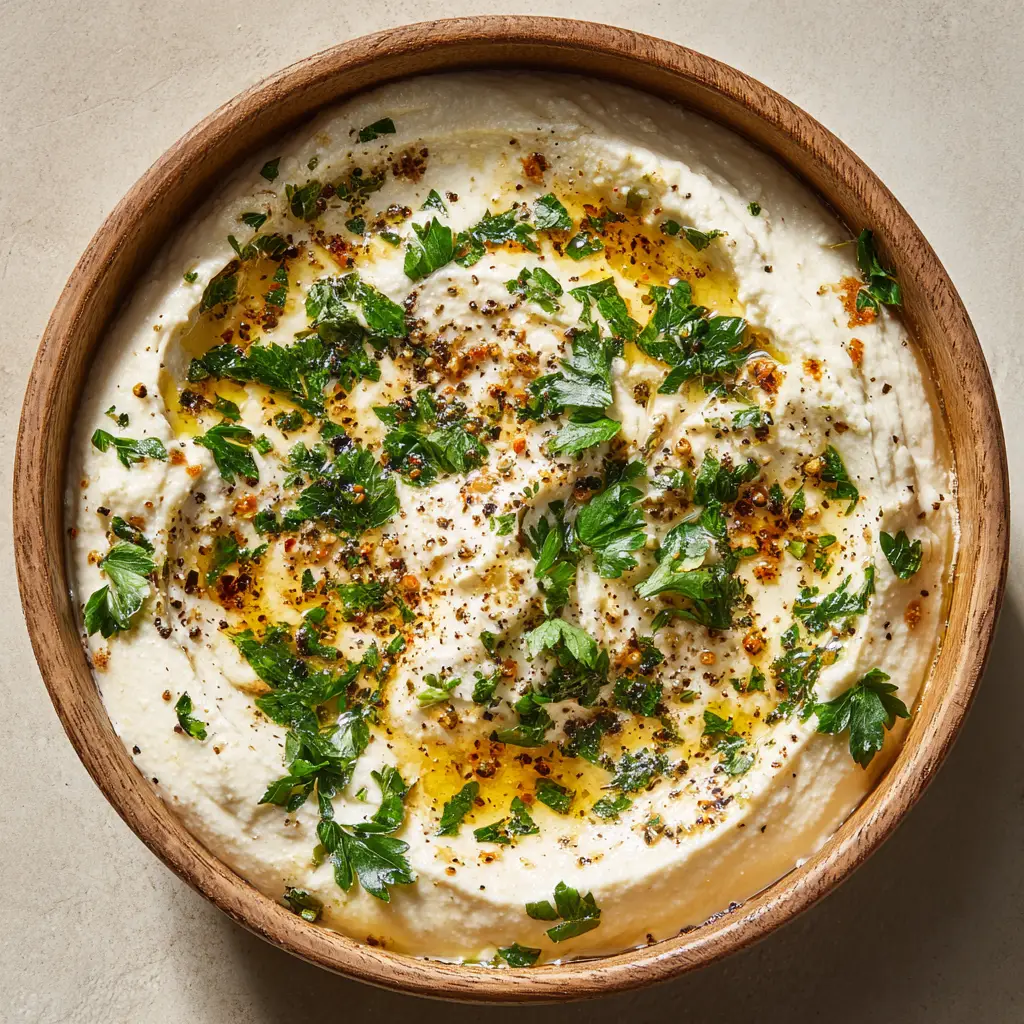
Imagine a sauce so dense and rich that it holds its shape in a rustic wooden bowl, finished with golden-brown toasted cheese spots that crackle slightly under your fork. This recipe focuses on achieving that exact visual and textural harmony: a luscious cream base, a shimmering olive oil drizzle, and the sharp bite of coarse black pepper.
Whether you are looking to replace a traditional red sauce or you want the ultimate dipping experience, this Garlic Sauce for Pizza delivers high-impact flavor. By following these professional culinary steps, you will create a sauce that looks exactly like a high-end food photograph and tastes even better.
Essential Elements for a Rich and Dense Pizza White Base
- Viscosity Control: Unlike thin pasta sauces, a Garlic Sauce for Pizza must be thick enough to withstand the high heat of an oven without running off the dough.
- Textural Contrast: We achieve the signature toasted spots by incorporating specific melting cheeses that caramelize under intense heat.
- Layered Aromatics: We use both sautéed garlic for sweetness and raw garlic infusions for that classic, sharp pizzeria punch.
- Visual Finishing: The addition of fresh, finely chopped parsley and coarse black pepper provides a necessary herbaceous lift to the heavy cream base.
The Anatomy of Our Signature Garlic Sauce for Pizza
Every ingredient in this recipe serves a dual purpose: structural integrity and flavor depth. To achieve the off-white, opaque look seen in professional kitchens, we use a high-fat dairy base combined with a precise roux.
Unsalted Butter (2 tbsp / 30g): This acts as the fat base for our roux, providing a nutty foundation. Using unsalted butter allows us to control the sodium levels perfectly, which is vital when adding salty cheeses later.
All-Purpose Flour (2 tbsp / 16g): Flour is our primary thickening agent. When cooked with butter, it creates a stable emulsion that prevents the Garlic Sauce for Pizza from breaking or becoming oily during the baking process.
Fresh Garlic Cloves (4 large cloves / 20g): You must use fresh cloves rather than jarred minced garlic. The natural oils in fresh garlic provide the pungent aroma that defines this sauce’s identity.
Heavy Cream (1.5 cups / 360ml): This provides the “off-white” color and the dense, creamy consistency. Heavy cream has a higher fat content than whole milk, ensuring the sauce doesn’t become watery when combined with pizza toppings.
Freshly Grated Parmesan (1/2 cup / 45g): This is the secret to those “toasted spots.” Parmesan has a low moisture content, allowing it to brown beautifully under a broiler or in a high-heat pizza oven.
Extra Virgin Olive Oil (1 tbsp / 15ml): Used as a finishing drizzle to create those gorgeous pools of gold in the crevices of the thick sauce. It adds a fruity, peppery note that balances the richness of the dairy.
Fresh Flat-Leaf Parsley (2 tbsp / 8g): Finely chopped parsley provides the “greenery” required for visual contrast. It offers a clean finish to the palate after the heavy garlic and cream.
Coarse Black Pepper (1 tsp / 2g): Unlike fine pepper, coarse-ground peppercorns provide a textural pop and a slow-building heat that cuts through the creaminess of the Garlic Sauce for Pizza.
Professional Tools for a Velvety Finish
To achieve the handheld smartphone photo aesthetic—rustic yet refined—you will need a few specific tools. A heavy-bottomed saucepan is non-negotiable for preventing the cream from scorching on the bottom.
A fine-mesh whisk is essential for incorporating the flour into the butter to ensure there are no lumps in your off-white base. For the final presentation, a rustic light-wood bowl is the perfect vessel to showcase the sauce’s dense consistency.
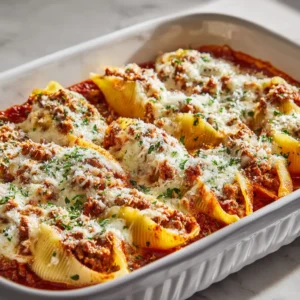
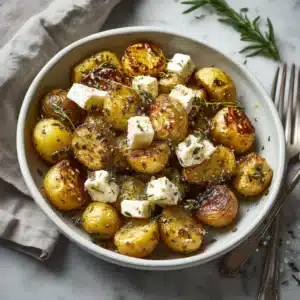
If you are looking for other ways to use garlic and cheese, you might also enjoy our garlic parmesan roasted potatoes which use a similar flavor profile. Having a reliable pie crust recipe can also help you understand the science of flour and fat ratios used here.
Mastering the Garlic Sauce for Pizza: A Step-by-Step Guide
1. Preparing the Aromatic Foundation
Mince your garlic cloves as finely as possible. In a small heavy-bottomed saucepan over medium-low heat, melt the 2 tbsp (30g) of butter until it begins to foam slightly.
Add the minced garlic and sauté for 60-90 seconds. You are looking for a “softened and fragrant” cue; do not let the garlic turn brown, as this will introduce a bitter flavor to your off-white sauce.
2. Creating the Thickening Roux
Sprinkle the 2 tbsp (16g) of flour over the garlic butter. Use your whisk to stir constantly for 2 minutes. This “toasts” the flour, removing the raw taste while maintaining the pale color needed for a Garlic Sauce for Pizza.
The mixture should look like a thick, pale paste. This is the structural backbone that keeps your sauce thick even when sitting in a bowl or on a hot pizza crust.
3. Incorporating the Dairy for a Creamy Finish
Slowly pour in the 1.5 cups (360ml) of heavy cream, just a quarter-cup at a time. Whisk vigorously after each addition to ensure a completely smooth transition.
Increase the heat to medium and bring the sauce to a gentle simmer. Do not boil vigorously. You will see the sauce begin to coat the back of a spoon—this is the “nappe” stage, indicating it is thickening perfectly.
4. Achieving the Toasted Cheese Spots
Stir in the 1/2 cup (45g) of grated Parmesan. Once the cheese has melted into the Garlic Sauce for Pizza, transfer the sauce to a heat-safe bowl or keep it in the pan if it is oven-safe.
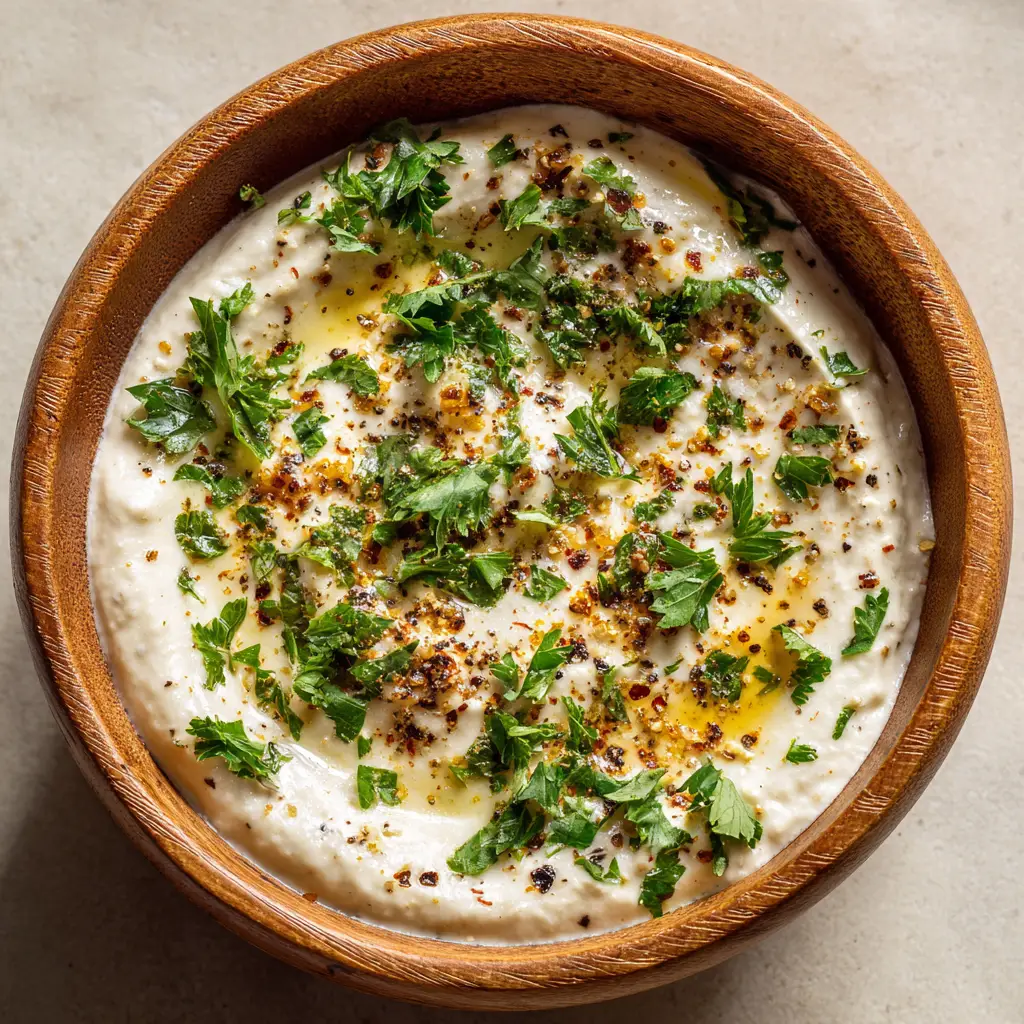
Place the sauce under a broiler for 1-2 minutes. Watch closely! You are waiting for the “golden-brown toasted spots” to appear on the surface. This creates the charred, rustic look that makes the sauce so visually appealing.
5. The Final Visual Flourish
Transfer the thickened sauce into your rustic wooden bowl. Use a spoon to create small “crevices” or swirls in the surface of the dense sauce.
Drizzle the 1 tbsp (15ml) of olive oil so it pools in those crevices. Finish by generously garnishing with the finely chopped parsley and a heavy sprinkle of coarse black pepper for that final smartphone-ready aesthetic.
Expert Tips for Sauce Perfection
- The Temperature Rule: Always add room-temperature cream to your hot roux. This prevents the sauce from “shocking,” which can lead to a grainy texture.
- Cheese Quality: Use a block of Parmesan and grate it yourself. Pre-shredded cheeses are coated in potato starch, which can make your Garlic Sauce for Pizza feel “chalky” rather than creamy.
- Depth of Flavor: For a more complex sauce, add a pinch of freshly grated nutmeg. It is an invisible ingredient that enhances the “creaminess” of the dairy without being identifiable as a spice.
- Consistency Check: If the sauce becomes too thick, whisk in a tablespoon of milk. If it’s too thin, let it simmer for another 3 minutes to reduce the moisture.
Serving Suggestions and Pairings
This Garlic Sauce for Pizza is incredibly versatile. While it is designed for a white pizza base, it also pairs beautifully as a dip for savory appetizers. Consider serving it alongside our prosciutto wrapped mozzarella for a sophisticated Italian-themed spread.
It also works as a rich condiment for pasta dishes. If you enjoy cream-based meals, you’ll love how this sauce mirrors the flavors in a cajun chicken alfredo orzo or a classic chicken and broccoli alfredo bake.
Storage and Reheating Advice
You can store this sauce in an airtight container in the refrigerator for up to 5 days. Because of the high fat content, it will firm up significantly when cold, almost reaching a spreadable butter consistency.
To reheat, place the Garlic Sauce for Pizza in a small saucepan over low heat. Add a splash of cream or water and whisk constantly until it regains its original velvety flow. Avoid the microwave if possible, as it can cause the fats to separate from the solids.
Frequently Asked Questions
It is not recommended to freeze this sauce, as the heavy cream and butter emulsion may break upon thawing, resulting in a gritty texture.
Yes! This sauce is specifically designed to be thick and dense, making it perfect for dipping pizza crusts, breadsticks, or even roasted vegetables.
Those spots are achieved by using a high-protein cheese like Parmesan and placing the finished sauce under a broiler for 1-2 minutes until caramelization occurs.
This specific recipe uses a flour-based roux. To make it gluten-free, you can substitute the all-purpose flour with a 1:1 gluten-free flour blend or use a cornstarch slurry.
Graininess usually occurs if the cheese is added to boiling liquid or if you use pre-shredded cheese with anti-caking agents. Always whisk cheese in over low heat.
The Ultimate Garlic Sauce for Pizza Recipe
Garlic Sauce for Pizza: The Ultimate Creamy White Base Recipe
Ingredients
Equipment
Instructions
- Melt butter in a saucepan over medium-low heat. Add minced garlic and sauté for 60-90 seconds until fragrant but not browned.
- Whisk in the flour and cook for 2 minutes to create a pale roux, ensuring the raw flour taste is removed.
- Slowly whisk in the heavy cream, one splash at a time, until smooth. Simmer until the sauce thickens and coats a spoon.
- Stir in Parmesan until melted. Optionally, broil for 1-2 minutes until golden-brown toasted spots appear on the surface.
- Transfer to a wooden bowl. Drizzle with olive oil and top with fresh parsley and coarse black pepper.
Notes
If the sauce is too thick for dipping, thin it with a tablespoon of whole milk.

Bring the Pizzeria Home with This Garlic Sauce for Pizza
Creating a professional-grade Garlic Sauce for Pizza is about respecting the chemistry of the ingredients. By focusing on the roux, the quality of the cream, and the final broiler-toasted finish, you elevate a simple condiment into the star of the meal.
We hope this recipe becomes a staple in your kitchen! If you enjoyed this creamy creation, please leave a comment below and let us know how your pizza turned out. Don’t forget to follow us on Pinterest for more culinary inspiration and visual recipe guides.