There is nothing quite as satisfying as pulling a perfectly baked pie from the oven, its edges glowing golden brown and its layers shattering at the touch of a fork. But before that moment of triumph comes the foundation: a flawless pie crust recipe. If you have ever struggled with dough that shrinks, sticks, or turns out tough, you are in the right place to master this culinary essential.
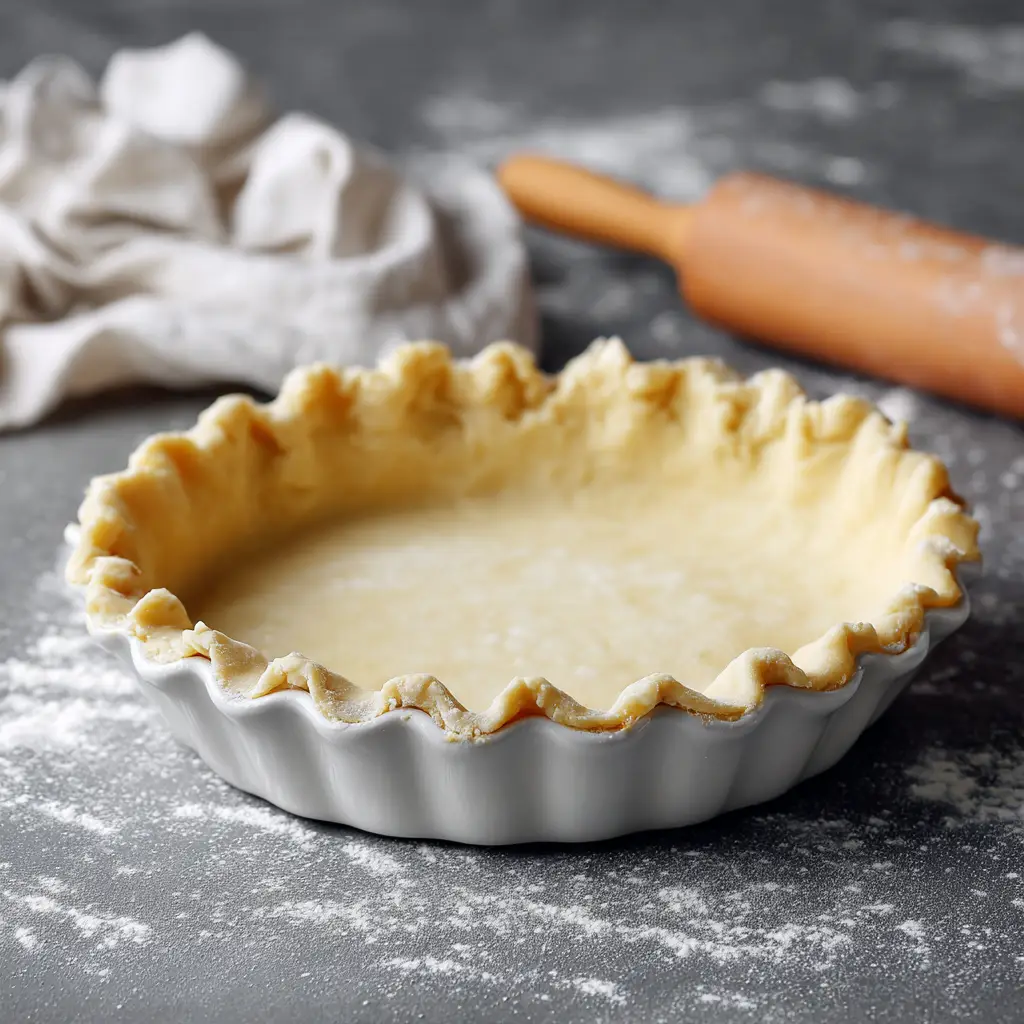
The visual of a raw, unbaked crust resting in a white ceramic dish, dusted with a fine layer of flour, represents the ultimate “blank canvas” for a baker. We aren’t just making a container for filling; we are engineering a structural masterpiece. This guide will walk you through the forensic details of creating those thick, rustic, uneven waves along the rim that signal a truly handmade crust.
By focusing on the science of cold fats and minimal handling, you will produce a dough that shows visible layers of butter before it even hits the heat. This pie crust recipe is designed for home cooks who want professional-grade results without the stress, ensuring every quiche, tart, or fruit pie starts with excellence.
Why This Homemade Dough Outshines Every Store-Bought Alternative
- Visible Butter Lamination: Unlike factory-pressed discs, this method leaves pea-sized chunks of fat that create steam pockets, resulting in a distinct, multi-layered flake.
- Customizable Structural Integrity: We balance hydration and protein to ensure the crust is sturdy enough for a heavy savory caramelized onion tart while remaining tender.
- The Iconic Rustic Crimp: The high-fat content allows you to sculpt thick, beautiful waves around the fluted edge of a ceramic dish that hold their shape during baking.
- Hand-Dusted Flour Finish: A light dusting of fine white flour on the smooth bottom surface prevents sticking and adds that professional, artisanal aesthetic.
The Essential Pantry Elements for a Structural Masterpiece
All-Purpose Flour (315g / 2.5 cups): This provides the necessary protein structure. Look for a brand with moderate protein (around 10-11%) to ensure the dough is pliable but not “bready.”
Unsalted Butter (225g / 1 cup): The butter must be ice-cold and high-quality. We use unsalted so we can control the seasoning precisely, ensuring the fat creates those visible layers described in our visual blueprint.
Ice Water (60ml to 120ml / 4 to 8 tbsp): Water is the “glue,” but too much develops too much gluten. Use only enough to make the dough hold together when squeezed; the cold temperature keeps the butter from melting prematurely.
Fine Sea Salt (6g / 1 tsp): Salt is a flavor enhancer that bridges the gap between the flour and the fat. It also helps to strengthen the gluten slightly, providing better elasticity during the rolling process.
Granulated Sugar (12g / 1 tbsp – Optional): If you are making a sweet dessert like a heaven on earth cake inspired pie, a touch of sugar aids in browning through caramelization.
Professional Tools for the Perfect Fluted Finish
To achieve the look of an empty, unbaked pie crust resting in a white ceramic fluted pie dish, you need the right equipment. A heavy ceramic dish provides superior heat distribution compared to thin tin pans. It allows the bottom to cook evenly, preventing the dreaded “soggy bottom” while supporting the weight of thick, rustic edges.
A wooden rolling pin is essential for tactile feedback. As you roll the dough on a dark grey, textured surface, the wood absorbs a tiny amount of moisture, preventing sticking without requiring excessive flour. You will also need a pastry cutter or two knives to work the butter into the flour until it resembles coarse crumbs with visible butter shards.
Lastly, keep a small sifter or fine-mesh strainer nearby. This is how you achieve that “very lightly dusted” look of fine white flour on the bottom surface. It ensures the dusting is even and atmospheric rather than clumpy, matching the soft natural daylight aesthetic of a professional bakery.
Step-By-Step: Mastering the Art of the Hand-Crimped Edge
1. Prepping the Fat and Flour
Start by cubing your butter into 1/2-inch (1.3cm) pieces and placing them in the freezer for 10 minutes. In a large chilled bowl, whisk together your flour and salt. Cold ingredients are the absolute non-negotiable secret to a successful pie crust recipe.
2. Cutting in the Butter Layers
Add the frozen butter cubes to the flour. Use a pastry blender to cut the fat into the dry ingredients. Stop when the largest pieces are the size of peas; these shards are what will create the “layers of butter” visible in the raw dough. If the butter starts to feel soft, put the whole bowl in the fridge immediately.
3. Gradual Hydration and Binding
Drizzle 4 tablespoons (60ml) of ice water over the mixture. Use a silicone spatula to toss the flour gently—do not mash. Continue adding water one tablespoon at a time until the dough just begins to clump together. It should look a bit shaggy and dry, not like a smooth bread dough.
4. The Chill and Roll
Form the dough into two discs, wrap in plastic, and refrigerate for at least one hour. This allows the flour to hydrate fully and the gluten to relax. When ready, roll the dough on a surface dusted with fine white flour until it is about 1/8-inch (3mm) thick and roughly 12 inches (30cm) in diameter.
5. Sculpting the Rustic Crimped Edge
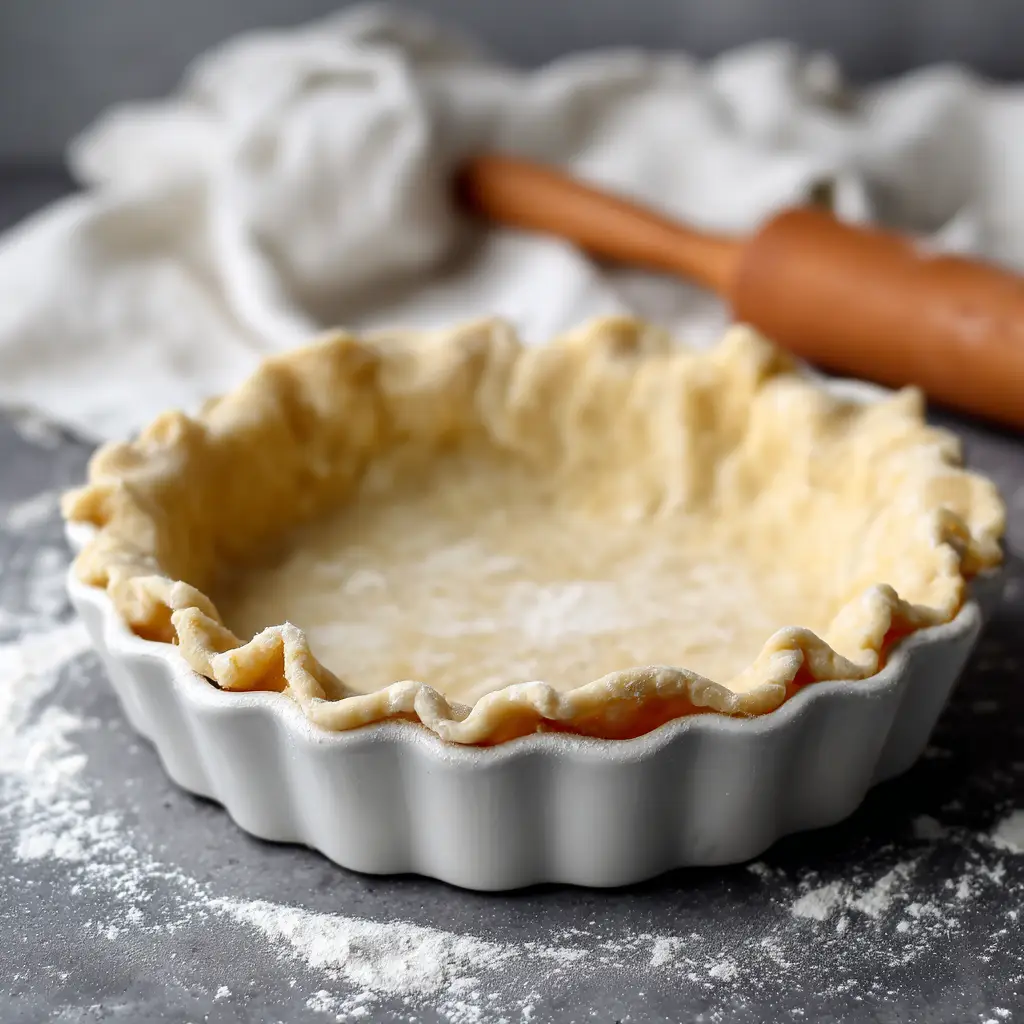
Carefully drape the dough over your white ceramic fluted pie dish. Trim the overhang to about 1 inch (2.5cm), then fold that extra dough under itself to create a thick border. Use your thumb and index finger of one hand and the knuckle of the other to pinch the dough into rustic, uneven waves. The goal isn’t perfection; it is a handmade, textured look that shows the beautiful layers of butter within the folds.
Pro Tips for Achieving Those Coveted Butter Layers
- Keep it Cold: If at any point the dough feels greasy or sticky, the butter is melting. Stop and chill the dough for 15 minutes before proceeding.
- Don’t Overwork: The more you touch the dough, the more gluten develops. Handle it as little as possible to maintain a tender, crumbly texture that rivals delicate almond ricotta cookies.
- The “Dusting” Technique: To get that fine flour look on the bottom, use a soft pastry brush to sweep away excess flour after rolling. You want a whisper of flour, not a coating.
- Resting is Vital: Always rest the dough after crimping and before baking. This prevents the “rustic waves” from collapsing down the sides of the dish during the initial blast of heat.
Preservation Tactics: Freezing and Refrigeration Guidelines
This pie crust recipe is perfect for meal prep. You can keep the wrapped dough discs in the refrigerator for up to 3 days. For longer storage, wrap them tightly in a double layer of plastic wrap and a layer of foil; they will stay fresh in the freezer for up to 3 months.
If you have already shaped the crust into the fluted dish, you can freeze the entire dish. This is actually a professional trick: baking a crust from a frozen state helps the crimped edges “set” instantly in the oven, preserving those beautiful uneven waves. Simply add 5 minutes to your total baking time if starting from frozen.
What to Bake Inside This Golden Canvas
Now that you have mastered the empty, unbaked crust, it’s time to choose a filling. For a savory lunch, this crust provides the perfect base for a chicken and broccoli alfredo bake inspired pot pie. The buttery flakes pair beautifully with creamy sauces and roasted poultry.
On the sweet side, consider a deep-dish apple pie or even a rustic tart. If you have leftover scraps of dough, roll them out with cinnamon and sugar for a quick snack that tastes like apple cinnamon breakfast treats. The versatility of this dough makes it a staple for everything from high-protein quiches to decadent holiday desserts.
Frequently Asked Questions About Homemade Dough
Yes, but be careful! Pulse only until the butter is in pea-sized chunks. Over-processing will turn the butter into a paste, which results in a crumbly, shortbread-like texture rather than flaky layers.
Using a ceramic pie dish helps with even heat. You can also ‘blind bake’ the crust (pre-baking with weights) or brush the bottom with a thin layer of beaten egg white before adding the filling to create a moisture barrier.
This recipe uses 100% butter for superior flavor and those iconic ‘shattered’ layers. While shortening has a higher melting point, butter provides the steam required for true lamination and a better mouthfeel.
Shrinking is usually caused by overworking the dough, which develops too much gluten, or failing to let the dough rest. Always chill your dough for at least 30 minutes after shaping it in the dish to allow the gluten to relax.
Ice water ensures that the butter remains solid while mixing. If the butter melts into the flour before baking, you will lose the steam pockets that create a flaky crust, resulting in a tough, greasy dough.
The Ultimate Pie Crust Recipe for Any Occasion
Pie Crust Recipe: The Secret to Flaky, Buttery, Rustic Crimped Crusts
Ingredients
Equipment
Instructions
- Whisk the flour and salt (and sugar if using) in a large chilled bowl.
- Add cubed cold butter. Use a pastry blender to cut the fat until the largest pieces are the size of peas, ensuring visible butter layers remain.
- Drizzle ice water 1 tablespoon at a time, tossing with a spatula until the dough just holds together when squeezed.
- Divide dough into two discs, wrap in plastic, and refrigerate for at least 1 hour.
- On a floured surface, roll dough to 1/8 inch thickness. Transfer to a white ceramic dish. Fold the edges and pinch into rustic, uneven waves for a thick crimped edge.
Notes
Rest the shaped crust in the fridge for 30 minutes before baking to prevent shrinkage.
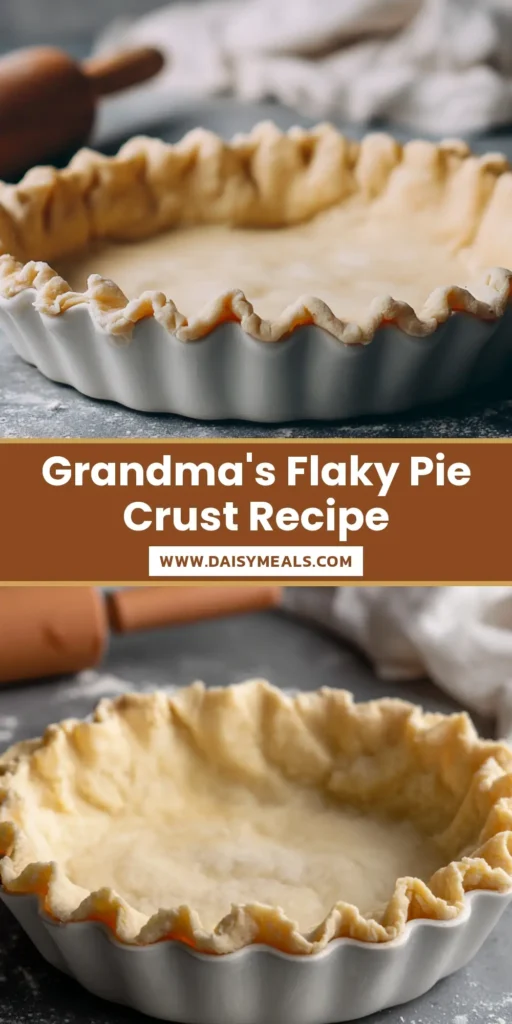
Mastering a pie crust recipe is a rite of passage for any home cook. By focusing on the visual cues—the layers of cold butter, the fine dusting of flour, and the thick, hand-crimped rim—you elevate your baking from ordinary to artisanal. Whether you’re filling it with fruit or savory meats, this crust will be the star of the table.
If you found this guide helpful, I would love to hear from you! Leave a comment below with your favorite pie filling, or share your baking triumphs with us. Don’t forget to follow DaisyMeals on Pinterest for more culinary inspiration and visual recipe blueprints.