Welcome to the ultimate Snickerdoodle Recipe that guarantees perfectly soft, chewy cookies with that classic tangy flavor every single time. If you’ve been dreaming of warm, pillowy cookies coated in a delightful cinnamon-sugar crunch, you’ve come to the right place. This recipe is straightforward, reliable, and produces bakery-quality snickerdoodles right in your own kitchen. Forget flat, crispy, or bland cookies; this guide will walk you through every step to achieve that perfect crinkly top and melt-in-your-mouth texture that makes snickerdoodles a timeless favorite.
Whether you’re a seasoned baker or just starting, this guide is designed to be your go-to resource for making the best snickerdoodles you’ve ever had. We’ll cover everything from the essential role of cream of tartar to tips for getting that signature crinkle. Let’s get baking!
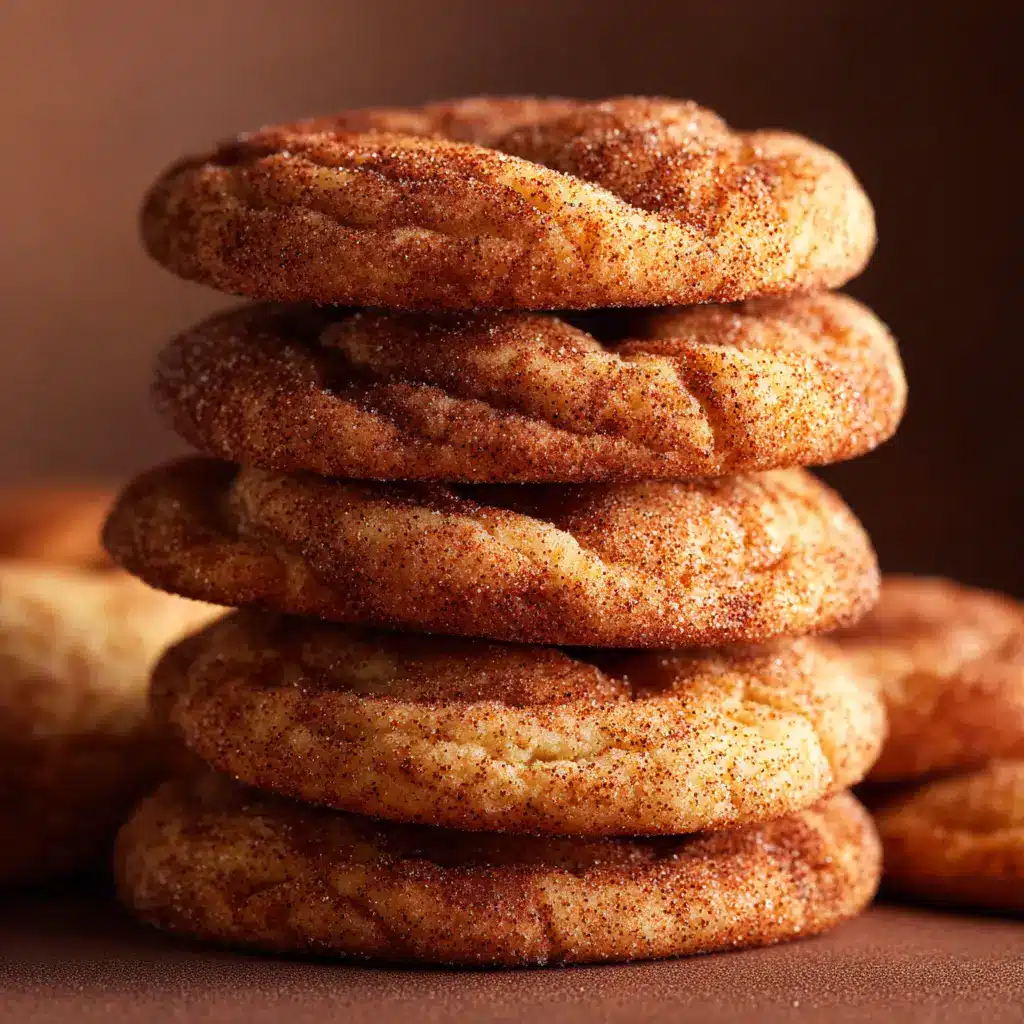
What Makes This The Best Snickerdoodle Recipe?
There are thousands of snickerdoodle recipes out there, but this one stands out for a few key reasons. First and foremost is the texture. We have perfected the ratios to create a cookie that is incredibly soft and chewy on the inside with slightly crisp edges. Secondly, we embrace the classic tang. The secret to a true snickerdoodle is cream of tartar, which provides the characteristic flavor and helps create the pillowy texture. Finally, this recipe is simple and foolproof. With clear instructions and helpful tips, you’ll feel confident making these delicious cookies.
The Key Ingredients for Classic Snickerdoodles
The magic of this classic Snickerdoodle Recipe lies in its simple, high-quality ingredients. Each component plays a crucial role in creating the perfect texture and flavor. Here’s what you’ll need and why it matters.
For the Cookie Dough:
- All-Purpose Flour: Provides the structure for the cookies. Be sure to measure it correctly—spoon and level, don’t scoop—to avoid dense cookies.
- Cream of Tartar: This is the secret ingredient! It gives snickerdoodles their signature tangy flavor and prevents the sugar from crystallizing, resulting in a super soft, chewy texture.
- Baking Soda: Works with the cream of tartar to help the cookies rise and create their light, airy crumb.
- Salt: Balances the sweetness and enhances all the other flavors.
- Unsalted Butter: Use softened, room temperature butter. It should be firm enough to hold its shape but soft enough to indent with your finger. This is key to creaming the butter and sugar properly.
- Granulated Sugar: Provides sweetness and contributes to the cookies’ spread and texture.
- Eggs: One large egg and one large egg yolk provide richness, moisture, and binding. The extra yolk is a secret to an even chewier cookie!
- Vanilla Extract: Adds a layer of warm, aromatic flavor that complements the cinnamon.
For the Cinnamon-Sugar Coating:
- Granulated Sugar: Forms the base of the coating.
- Ground Cinnamon: Provides the classic warm, spicy flavor that makes a snickerdoodle a snickerdoodle.
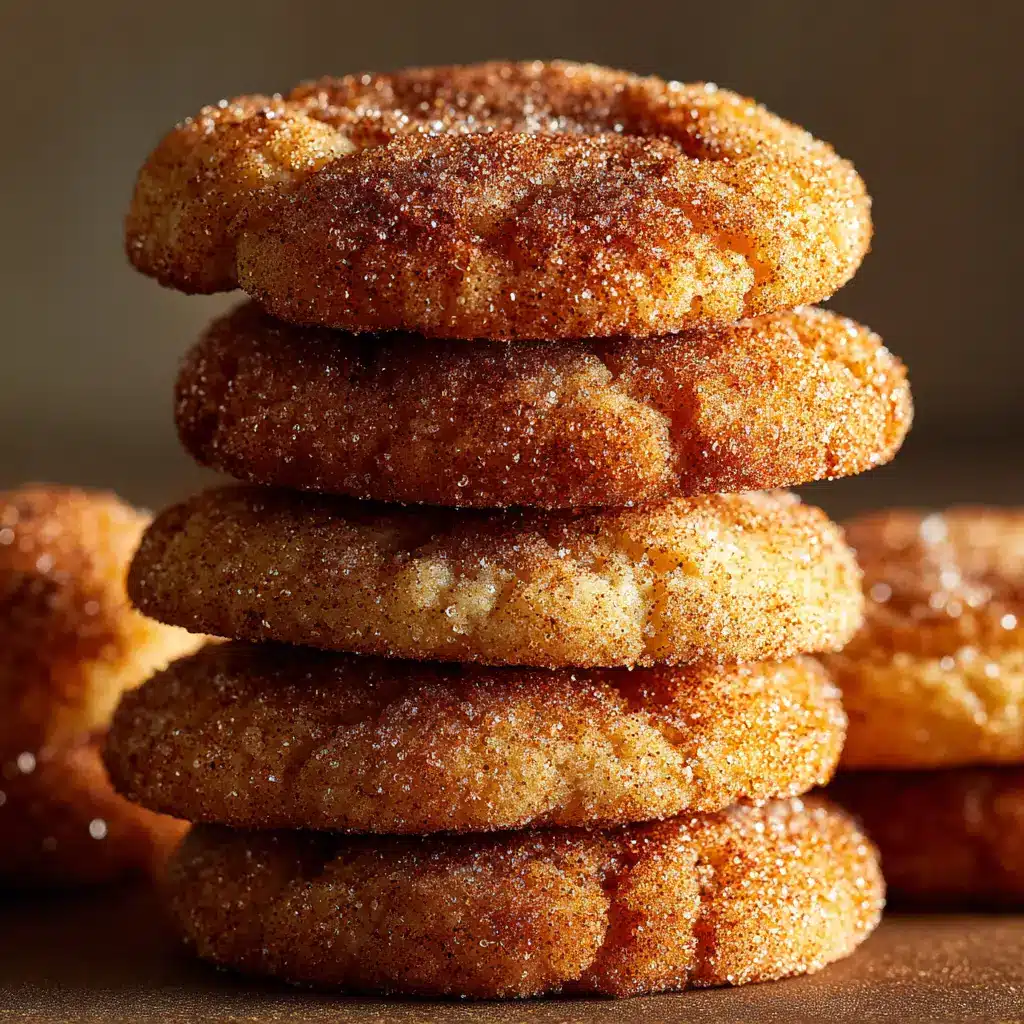
How to Make The Perfect Snickerdoodle Recipe, Step-by-Step
Ready to bake? Follow these simple steps for flawless snickerdoodles. The process is straightforward, but paying attention to the details will take your cookies from good to unforgettable.
Step 1: Prepare Your Dry Ingredients
In a medium bowl, whisk together the all-purpose flour, cream of tartar, baking soda, and salt. Whisking helps to evenly distribute the leavening agents, ensuring a consistent rise across all your cookies. Set this bowl aside.
Step 2: Cream the Butter and Sugar
In a large bowl using a stand mixer with the paddle attachment or a hand mixer, beat the softened unsalted butter and granulated sugar on medium-high speed until the mixture is light, fluffy, and pale in color. This process takes about 2-3 minutes and incorporates air into the dough, which is essential for a light texture.
Step 3: Add Eggs and Vanilla
Add the egg and egg yolk one at a time, beating well after each addition. Scrape down the sides of the bowl as needed to ensure everything is incorporated evenly. Beat in the vanilla extract until just combined.
Step 4: Combine Wet and Dry Ingredients
Turn the mixer to its lowest speed and gradually add the dry ingredient mixture to the wet ingredients. Mix until just combined. Be careful not to overmix, as this can develop the gluten in the flour and result in tough cookies. The dough will be soft.
Step 5: Chill the Dough (Optional but Recommended)
For the best results and to prevent spreading, cover the dough and chill it in the refrigerator for at least 30-60 minutes. This step makes the dough easier to handle and results in thicker, chewier cookies.
Step 6: Preheat Oven and Prepare Coating
Preheat your oven to 375°F (190°C). Line two large baking sheets with parchment paper. In a small, shallow bowl, mix together the granulated sugar and ground cinnamon for the coating.
Step 7: Roll and Coat the Cookies
Scoop the chilled dough into balls, about 1.5 tablespoons each. Roll each ball between your hands until smooth, then roll it generously in the cinnamon-sugar mixture until it’s completely coated. Place the coated dough balls about 2 inches apart on the prepared baking sheets.
Step 8: Bake to Perfection
Bake for 9-11 minutes, or until the edges are set and the centers are soft and puffy. The cookies will look slightly underbaked in the middle, which is the key to a soft and chewy texture. For a more pronounced crinkle, you can gently tap the baking sheet on the counter right after removing it from the oven.
Step 9: Cool and Enjoy
Let the cookies cool on the baking sheet for 5 minutes before transferring them to a wire rack to cool completely. They will firm up as they cool. Enjoy these delightful treats with a glass of milk!
Expert Tips for Bakery-Quality Results
Unlock the full potential of this Snickerdoodle Recipe with these pro tips. Small adjustments in your technique can make a huge difference in the final product.
- Do Not Overbake: The number one rule for soft cookies is to pull them from the oven when they still look slightly soft in the center. They will continue to bake on the hot pan.
- Room Temperature Ingredients: Ensure your butter and eggs are at room temperature. This helps them mix together smoothly and create a uniform dough.
- Chill the Dough: We can’t stress this enough! Chilling prevents the cookies from spreading too much, leading to thicker, chewier results.
- Fresh Ingredients Matter: Make sure your baking soda and cream of tartar are fresh. Expired leavening agents won’t give your cookies the lift they need.
If you enjoy baking classic cookies, you might also love our chewy Lemon Sugar Cookies or this festive recipe for Candy Cane Cookies. For a truly decadent dessert, give our famous Chocolate Chip Cookie Pie a try!
How to Store Snickerdoodles
To keep your snickerdoodles soft and fresh, store them in an airtight container at room temperature. They will stay fresh for up to 5 days. For longer storage, you can freeze the baked cookies or the cookie dough.
- Freezing Baked Cookies: Place cooled cookies in a single layer on a baking sheet to freeze. Once solid, transfer them to a freezer-safe bag or container. They can be frozen for up to 3 months.
- Freezing Cookie Dough: Roll the dough into balls (do not coat in cinnamon-sugar yet), freeze on a baking sheet, then transfer to a freezer bag. When ready to bake, let them thaw slightly, roll in the cinnamon-sugar mixture, and bake as directed, adding a minute or two to the baking time.
While you can make a version without it, they won’t be traditional snickerdoodles. To substitute, you can replace both the cream of tartar and the baking soda with 2 teaspoons of baking powder. However, the cookies will lack the signature tangy flavor and will have a slightly different texture.
The crinkles are formed by the cookie spreading and the top setting as it bakes. Using cream of tartar and baking soda for leavening contributes to this effect. For more pronounced crinkles, you can gently tap the baking sheet on the counter immediately after removing it from the oven to slightly deflate the center.
Yes, we highly recommend chilling the dough for at least 30-60 minutes. Chilling solidifies the fat (butter) in the dough, which prevents the cookies from spreading too much in the oven. This results in thicker, softer, and chewier cookies.
Cream of tartar is an acid that gives snickerdoodles their signature tangy flavor. It also reacts with the baking soda to act as a leavening agent and prevents the sugar from crystallizing, which results in a uniquely soft and chewy texture.
The main difference is the use of cream of tartar in snickerdoodles, which gives them a distinct tangy taste and a chewier texture. Snickerdoodles are also rolled in a cinnamon-sugar mixture before baking, while sugar cookies are typically plain or decorated with icing.
While you can make a version without it, they won’t be traditional snickerdoodles. To substitute, you can replace both the cream of tartar and the baking soda with 2 teaspoons of baking powder. However, the cookies will lack the signature tangy flavor and will have a slightly different texture.
The crinkles are formed by the cookie spreading and the top setting as it bakes. Using cream of tartar and baking soda for leavening contributes to this effect. For more pronounced crinkles, you can gently tap the baking sheet on the counter immediately after removing it from the oven to slightly deflate the center.
Yes, we highly recommend chilling the dough for at least 30-60 minutes. Chilling solidifies the fat (butter) in the dough, which prevents the cookies from spreading too much in the oven. This results in thicker, softer, and chewier cookies.
Cream of tartar is an acid that gives snickerdoodles their signature tangy flavor. It also reacts with the baking soda to act as a leavening agent and prevents the sugar from crystallizing, which results in a uniquely soft and chewy texture.
The main difference is the use of cream of tartar in snickerdoodles, which gives them a distinct tangy taste and a chewier texture. Snickerdoodles are also rolled in a cinnamon-sugar mixture before baking, while sugar cookies are typically plain or decorated with icing.
Share Your Creations!
We hope you love this easy Snickerdoodle Recipe as much as we do! It’s a classic for a reason and perfect for any occasion. If you make these cookies, we’d love to see them! Share a photo and tag us, or leave a comment below. For more delicious recipe inspiration, be sure to follow us on Pinterest!

Snickerdoodle Recipe for Perfectly Soft and Chewy Cookies
The ultimate Snickerdoodle Recipe that guarantees perfectly soft, chewy cookies with that classic tangy flavor and delightful cinnamon-sugar crunch every single time.
Ingredients
Equipment
Instructions
- In a medium bowl, whisk together the all-purpose flour, cream of tartar, baking soda, and salt. Set aside.
- In a large bowl with a mixer, beat the softened butter and 1 1/2 cups of granulated sugar on medium-high speed until light and fluffy, about 2-3 minutes.
- Add the egg and egg yolk, one at a time, beating well after each. Beat in the vanilla extract.
- With the mixer on low, gradually add the dry ingredients to the wet ingredients, mixing until just combined. Do not overmix.
- Cover the dough and chill for at least 30-60 minutes.
- Preheat oven to 375°F (190°C). Line baking sheets with parchment paper. In a small bowl, mix the 1/4 cup granulated sugar and 2 tbsp ground cinnamon.
- Shape the dough into 1.5-tablespoon-sized balls. Roll each ball in the cinnamon-sugar mixture to coat completely. Place 2 inches apart on the prepared baking sheets.
- Bake for 9-11 minutes, until the edges are set but the centers are still soft and puffy.
- Let the cookies cool on the baking sheet for 5 minutes before transferring to a wire rack to cool completely.
Notes
For the softest cookies, be careful not to overbake. They should look slightly undone in the middle when you pull them from the oven.
Chilling the dough is highly recommended to prevent spreading and create a thicker, chewier cookie.
Snickerdoodle Recipe for Perfectly Soft and Chewy Cookies
Ingredients
Equipment
Instructions
- In a medium bowl, whisk together the all-purpose flour, cream of tartar, baking soda, and salt. Set aside.
- In a large bowl with a mixer, beat the softened butter and 1 1/2 cups of granulated sugar on medium-high speed until light and fluffy, about 2-3 minutes.
- Add the egg and egg yolk, one at a time, beating well after each. Beat in the vanilla extract.
- With the mixer on low, gradually add the dry ingredients to the wet ingredients, mixing until just combined. Do not overmix.
- Cover the dough and chill for at least 30-60 minutes.
- Preheat oven to 375°F (190°C). Line baking sheets with parchment paper. In a small bowl, mix the 1/4 cup granulated sugar and 2 tbsp ground cinnamon.
- Shape the dough into 1.5-tablespoon-sized balls. Roll each ball in the cinnamon-sugar mixture to coat completely. Place 2 inches apart on the prepared baking sheets.
- Bake for 9-11 minutes, until the edges are set but the centers are still soft and puffy.
- Let the cookies cool on the baking sheet for 5 minutes before transferring to a wire rack to cool completely.
Notes
Chilling the dough is highly recommended to prevent spreading and create a thicker, chewier cookie.