There is something undeniably satisfying about the high-heat sizzle of a Shrimp and Cabbage Stir Fry hitting a seasoned wok. It is a dish that balances the delicate, oceanic sweetness of plump shrimp with the earthy, satisfying crunch of garden-fresh vegetables. When done correctly, this meal is a symphony of textures and colors that rivals any high-end restaurant offering.
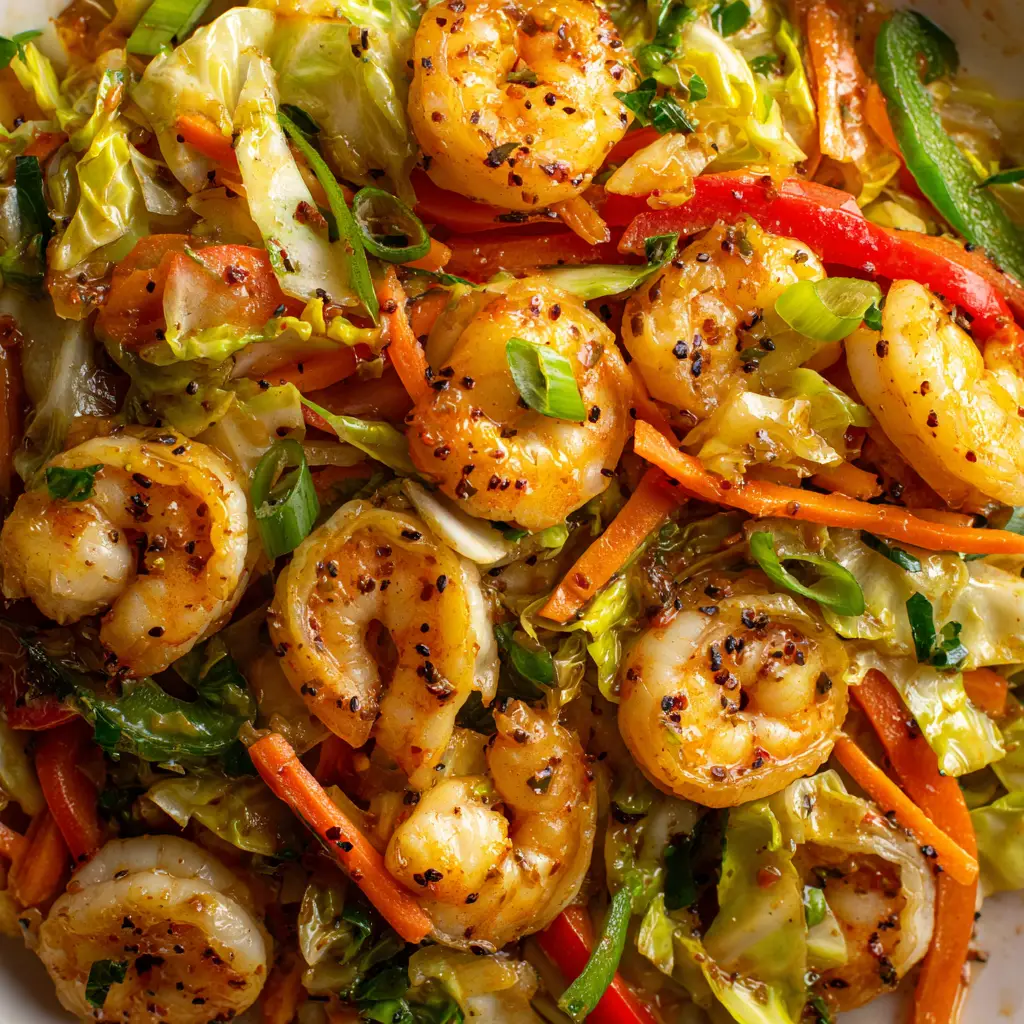
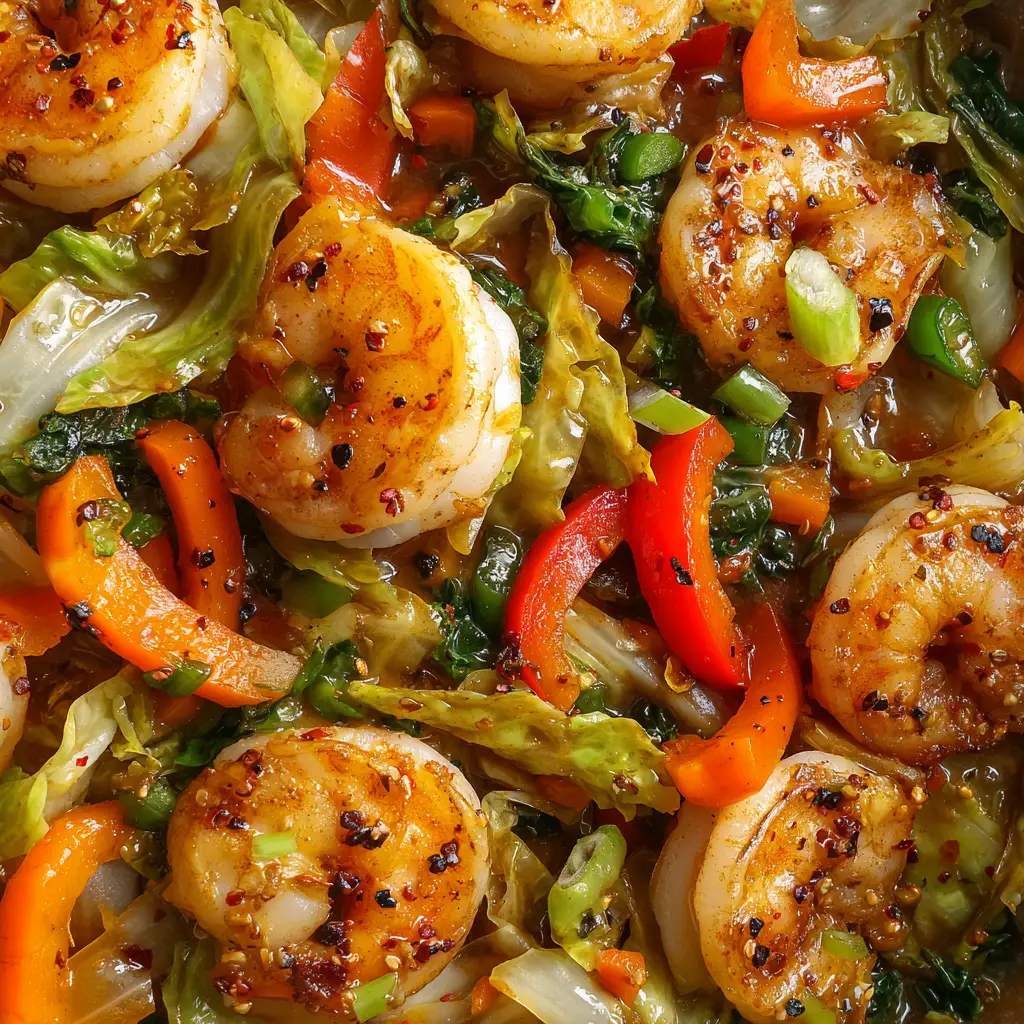
The visual appeal of this dish is its first triumph, featuring pink and white shrimp with a slight char that glistens under a thick, amber-colored sauce. This isn’t just a quick weeknight dinner; it is a masterclass in heat management and flavor layering. Every bite offers a contrast between the wilted, translucent cabbage and the snap of vibrant matchstick-cut peppers.
Whether you are looking for a low-carb alternative to traditional takeout or simply want a meal that comes together in under 30 minutes, this stir fry delivers. We are diving deep into the culinary science of “wok hei” and the secrets to achieving that perfectly emulsified sauce that clings to every single ingredient without becoming greasy.
The Visual and Culinary Triumph of This Vibrant Stir Fry
- Sensationally Seared Protein: We utilize high-heat techniques to ensure the shrimp are “pink and white” with a slight exterior char while remaining tender and juicy on the inside.
- Textural Harmony: By combining roughly chopped cabbage with julienned carrots, we create a multi-dimensional mouthfeel that keeps every forkful interesting.
- The Amber Gloss Factor: Our soy-based sauce is engineered to be thick and glistening, providing that characteristic “amber” glow that coats the garlic flecks and black pepper perfectly.
- Nutrient-Dense Vibrancy: The inclusion of red and green bell peppers ensures a “vibrant” color palette that looks as good as it tastes.
Essential Ingredients for the Perfect Glistening Stir Fry
1 lb (454g) Jumbo Shrimp: Look for “plump” shrimp that are peeled and deveined. The size is crucial here because smaller shrimp will overcook before you can achieve that characteristic slight char on the exterior.
1/2 head (approx. 450g) Green Cabbage: We want roughly chopped pieces that become translucent and wilted but still retain a structural “bite.” Cabbage is the ultimate vessel for soaking up the amber sauce.
1 Large (150g) Red Bell Pepper: Sliced into matchsticks, these provide a pop of sweetness and a vibrant red hue that contrasts beautifully against the green cabbage.
1 Large (150g) Green Bell Pepper: This adds a slightly more herbaceous, bitter note to balance the brown sugar in the sauce, completing the visual of “vibrant slivered peppers.”
2 Medium (120g) Carrots: These must be julienned into thin matchsticks. They cook quickly and add a necessary “snap” to the vegetable medley.
4 Cloves (20g) Fresh Garlic: Minced finely so that the “garlic flecks” are visible throughout the dish, providing an aromatic punch in every bite.
1 tsp (2g) Coarsely Cracked Black Pepper: Unlike fine powder, cracked pepper provides visible “black pepper flecks” and a sophisticated heat that cuts through the rich soy sauce.
2 tbsp (30ml) High-Smoke Point Oil: Avocado or grapeseed oil is essential. We need the pan screaming hot to sear the shrimp without the oil breaking down and smoking your kitchen out.
The Secret Amber Sauce Base: A combination of 3 tbsp (45ml) soy sauce, 1 tbsp (15ml) oyster sauce, 1 tsp (5g) brown sugar, and 1 tsp (3g) cornstarch creates that “thick, glossy amber” finish.
Must-Have Tools for High-Heat Cooking
To achieve the “extreme close-up” quality seen in professional food photography, you need the right tools. A heavy-bottomed carbon steel wok or a large cast-iron skillet is non-negotiable for retaining the heat needed to char the shrimp.
You will also need a sharp chef’s knife or a mandoline to achieve those perfect “julienned carrots” and “matchstick peppers.” Precise cutting isn’t just for aesthetics; it ensures all vegetables cook at the same rate, preventing the cabbage from turning to mush while the peppers are still raw.
The Step-by-Step Path to Stir Fry Perfection
Mastering the High-Heat Shrimp Sear
Pat your shrimp completely dry with paper towels; moisture is the enemy of a good sear. Heat your oil in the wok until it begins to shimmer and a light wisp of smoke appears.
Add the shrimp in a single layer, leaving space between them. Let them sit undisturbed for 60-90 seconds until you see a “slight char” and the edges turn opaque pink, then flip to finish for another 30 seconds before removing them from the pan.
Developing the Vegetable Medley
In the same pan, add the julienned carrots and slivered peppers. The residual shrimp flavor in the oil will begin to coat the vegetables as they soften slightly over medium-high heat.
Add the roughly chopped green cabbage. Toss frequently until the leaves begin to turn “translucent and wilted” around the edges but the ribs of the cabbage still offer a crunch when pressed with a spatula.
Emulsifying the Glossy Amber Sauce
Push the vegetables to the side to create a small well and drop in your minced garlic. Once you smell the aroma (about 30 seconds), pour in your pre-mixed amber sauce whisked with the cornstarch.
Stir everything together vigorously. The cornstarch will activate almost instantly, turning the liquid into a “thick, glossy” coating that clings to the “visible flecks of garlic and black pepper.”
The Final Integration
Return the seared shrimp to the pan. Toss one last time to ensure the shrimp are “glistening” with the sauce and the colors of the peppers and carrots are evenly distributed throughout the green cabbage.
Remove from heat immediately to prevent the shrimp from becoming rubbery. The residual heat will keep the dish “piled high” and steaming as you plate it for that perfect “top-down photograph” look.
Expert Tips for a Restaurant-Quality Result
- The Dryness Rule: If your cabbage or shrimp are wet, they will steam rather than sear. Use a salad spinner for the cabbage and paper towels for the shrimp.
- Mise en Place: This recipe moves incredibly fast. Have your sauce whisked and your vegetables chopped before the heat ever touches the pan.
- Cold Cornstarch: Always whisk your cornstarch into cold or room temperature liquid. If you add it to a hot pan directly, it will clump and ruin your “glossy” finish.
- Crowd Control: If your pan isn’t large enough, cook the vegetables in two batches. Overcrowding drops the temperature and prevents the “charred” effect described in our visual blueprint.
Shelf Life, Reheating, and Freshness
This Shrimp and Cabbage Stir Fry is best enjoyed immediately to appreciate the “plump” texture of the shrimp. However, leftovers can be stored in an airtight container in the refrigerator for up to 2 days.
When reheating, avoid the microwave if possible, as it tends to make shrimp rubbery. Instead, flash-fry the leftovers in a hot skillet with a teaspoon of water or splash of soy sauce to loosen the amber coating and restore the gloss.
What to Serve with Your Shrimp and Cabbage Stir Fry
While this dish is a complete meal on its own, it pairs beautifully with a side of jasmine rice or cauliflower rice to soak up every drop of that amber sauce. If you are looking for a high-protein feast, you might consider starting your meal with some prosciutto-wrapped mozzarella for a fusion appetizer experience.
For those who love this flavor profile, our high-protein egg roll in a bowl offers a similar cabbage-based satisfaction. If you are serving a larger crowd, these garlic-parmesan roasted potatoes provide a hearty, starchy contrast to the light stir fry.
Answering Your Stir Fry Questions
Yes, but you must thaw them completely and pat them extremely dry with paper towels. Excess moisture from frozen shrimp will prevent the ‘plump’ shrimp from achieving a proper sear.
The key is high heat and short cooking time. Ensure your pan is screaming hot before adding the cabbage and don’t over-stir; let it wilt slightly while maintaining its structural integrity.
To make this keto, simply swap the brown sugar for a keto-friendly sweetener and use xanthan gum or extra reduction time instead of cornstarch to thicken the sauce.
The combination of oyster sauce and brown sugar provides the deep amber color, while a small amount of cornstarch creates that thick, glistening ‘glossy’ finish.
Rubbery shrimp are usually the result of overcooking. Shrimp only need about 2-3 minutes total in a hot pan. Remove them once they turn pink and C-shaped, then add them back only at the very end.
The Ultimate Shrimp and Cabbage Stir Fry Recipe
Shrimp and Cabbage Stir Fry with a Glossy Amber Garlic Sauce
Ingredients
Equipment
Instructions
- Heat oil in a wok over high heat. Sear shrimp for 90 seconds until pink with a slight char. Remove and set aside.
- Add carrots and peppers to the pan. After 2 minutes, add the chopped cabbage and toss until wilted and translucent.
- Whisk sauce ingredients and pour into the center of the pan. Stir until thick and glossy. Return shrimp to the pan, toss with garlic flecks and black pepper, and serve.
Notes
Slice vegetables to a uniform size for even cooking.
Closing Thoughts on This Quick Culinary Classic
Creating a masterpiece like this Shrimp and Cabbage Stir Fry is all about respecting the ingredients and the heat. By following these steps, you’ve created a dish that is visually stunning, nutritionally balanced, and packed with deep, umami-rich flavors. The “glossy amber” sauce and “plump shrimp” are sure to become a staple in your weeknight rotation.
If you enjoyed this recipe, please leave a comment below and let us know how your sear turned out! Don’t forget to follow DaisyMeals on Pinterest and share your creations with our community. Happy cooking!